
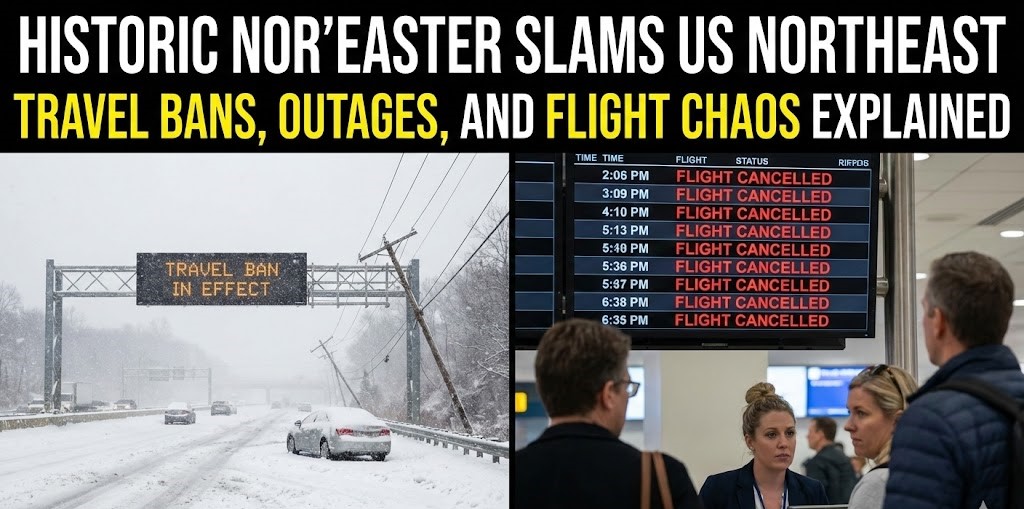

Let’s be completely candid: this is not your average winter weather event. A historic, bomb-cyclone nor’easter has paralyzed the US Northeast, placing over 59 million people under severe weather warnings.
From record-breaking snowfall to hundreds of thousands of power outages, the storm has brought major metropolitan areas to a standstill. Here is a complete, no-nonsense breakdown of the ongoing situation, the travel bans, and the state-by-state impact.
At a Glance: The 2026 Nor’easter by the Numbers
| The Metric | The Impact |
| Affected Population | 59 million people under active weather warnings. |
| Flight Cancellations | Over 11,000 U.S. flights canceled from Sunday to Tuesday. |
| Power Outages | Over 600,000 properties lost power at the storm’s peak (Massachusetts was hardest hit with 250,000+ outages). |
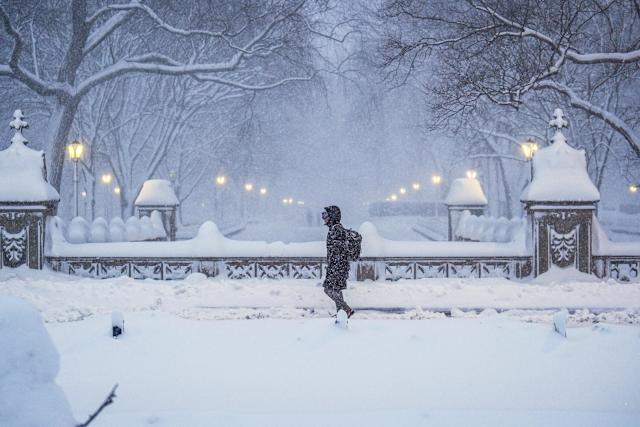
| Peak Snowfall | 38 inches in Providence, RI (breaking the 1978 record); 19.7 inches in NYC Central Park. |
| Peak Wind Gusts | Up to 70–77 mph along the coastline. |
State-by-State Emergency Breakdown
Multiple states declared emergencies ahead of the storm, mobilizing the National Guard and shutting down major roadways to prevent stranded motorists.
New York & New York City
New York City faced its first official blizzard warning in nine years. Mayor Zohran Mamdani declared a local state of emergency, instituting a strict travel ban on all non-emergency vehicles (including e-bikes and scooters) from Sunday evening until noon on Monday.
- The Snowfall: Central Park recorded 19.7 inches of snow, making it the ninth-largest snowstorm in the city’s recorded history.
- The Response: The city mobilized thousands of sanitation workers to clear streets. Schools were closed on Monday for a “classic snow day” but resumed in-person instruction on Tuesday. Gov. Kathy Hochul declared a statewide emergency, placing 100 National Guard members on ready alert.
- Note: This severe storm follows a tragic three-week cold snap in January that claimed 19 lives in the city, heightening the urgency of the current emergency response.
New Jersey
Gov. Mikie Sherrill halted the state’s entire transport network on Sunday evening, calling the weather front potentially “the worst storm we have seen since 1996.” The state saw massive accumulations, with areas like Newark receiving over 27 inches of snow and tens of thousands of residents losing power.
Massachusetts & Rhode Island
New England bore the brunt of the storm’s intensity and wind speeds.
- Rhode Island: Gov. Dan McKee issued a full travel ban as Providence was buried under a historic 38 inches of snow, shattering records.
- Massachusetts: Boston recorded over 17 inches of snow, and Gov. Maura Healey issued targeted travel bans for the hardest-hit coastal counties. The combination of heavy, wet snow and 70+ mph wind gusts snapped trees and power lines, causing massive infrastructural damage.
Pennsylvania, Delaware, & Connecticut
Gov. Josh Shapiro signed a disaster declaration in Pennsylvania, while Connecticut Gov. Ned Lamont banned all commercial vehicles from the state’s highways. Delaware also operated under a declared state of emergency as coastal flooding threatened the shoreline.
The Transportation Meltdown
If you are trying to travel to or from the East Coast, prepare for massive ongoing disruptions.
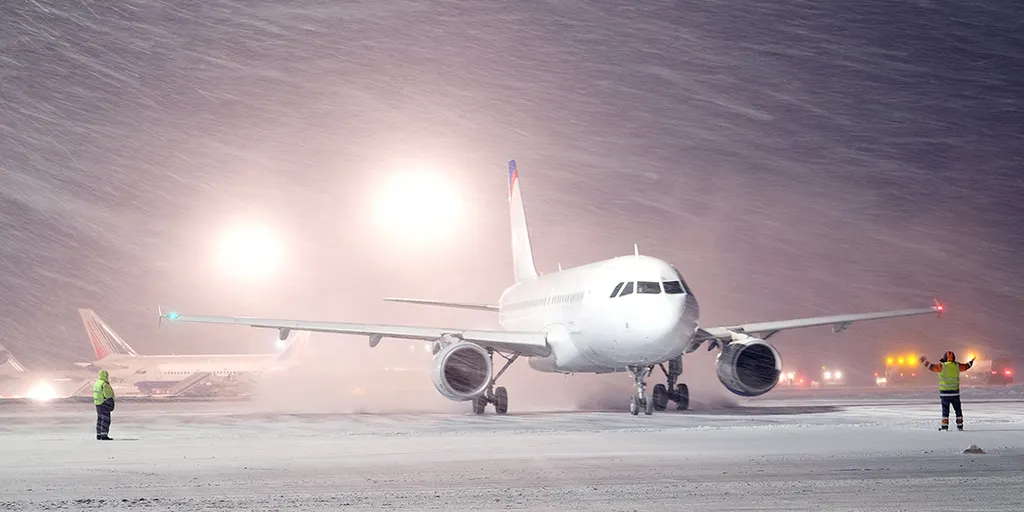
- Air Travel: The storm triggered an absolute aviation meltdown. The flight tracking monitor FlightAware reported over 11,000 canceled flights between Saturday and Tuesday. JFK, LaGuardia, Newark, and Boston Logan airports saw up to 98% of their flights grounded at the storm’s peak.
- Roadways: The National Weather Service (NWS) reported “nearly impossible” travel conditions, with snowfall rates of 2 to 3 inches per hour creating complete whiteout conditions along the I-95 corridor.
If you are in an affected area, please stay indoors and follow local guidance from FEMA’s Ready.gov regarding power outages and cold weather safety.
Also Read : Conor Benn Signs With Dana White’s Zuffa Boxing in Shock Split From Matchroom