
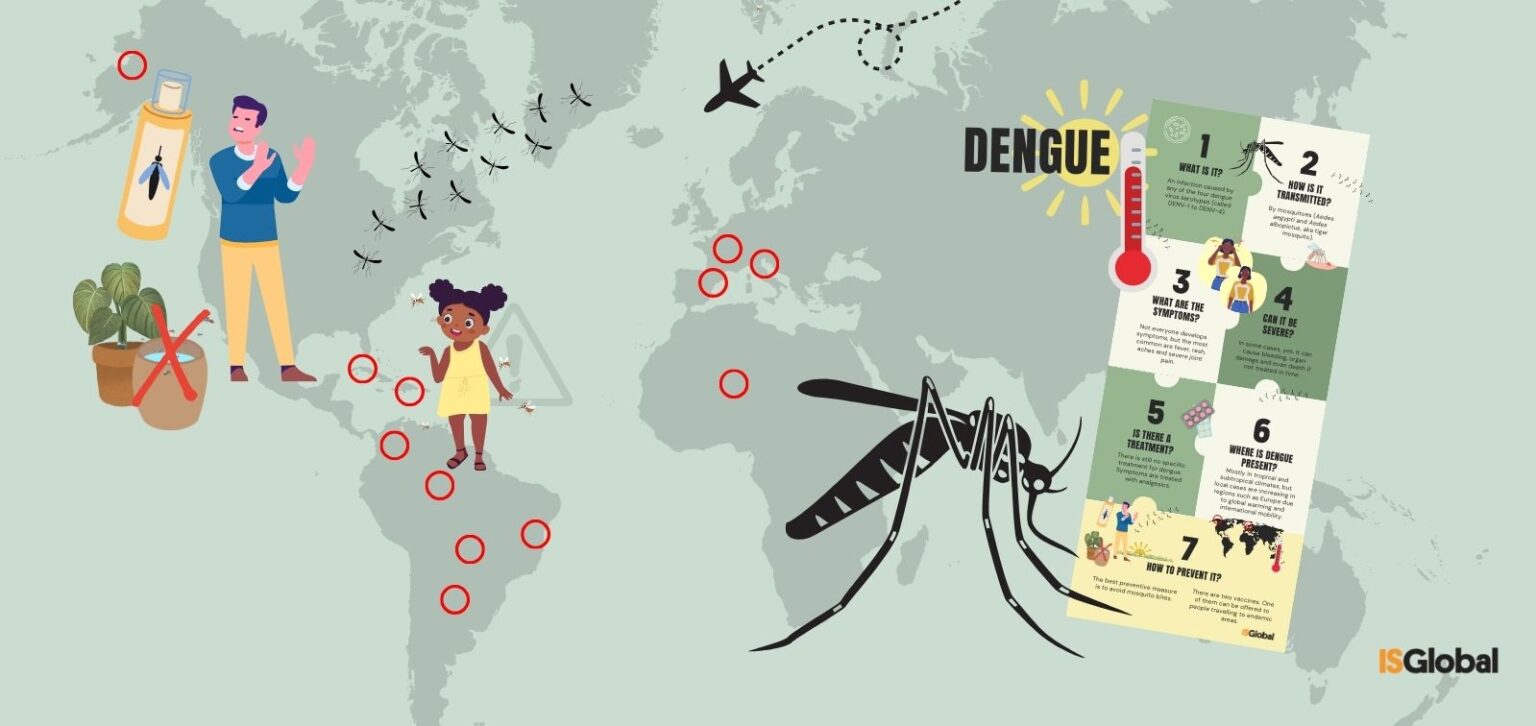

In 2025, several European countries have reported locally transmitted (autochthonous) dengue cases — meaning the virus was spread by mosquitoes within Europe itself, not just imported from abroad. So far:
- France has reported around 29 local cases,
- Italy about 4, and
- Portugal about 2 as of late December 2025, according to surveillance reports.
These cases are linked to the presence of disease-carrying mosquitoes — particularly the Asian tiger mosquito (Aedes albopictus) — which has become more common in parts of Southern Europe due in large part to warmer temperatures and climate change. Mosquito vectors that once stayed confined to tropical and subtropical zones are now able to survive and breed in parts of Europe.
Factors Driving Continued Risk
Public health experts and the European Centre for Disease Prevention and Control (ECDC) have noted that the range of Aedes mosquitoes is expanding. Climate conditions that used to be unsuitable for them — milder winters and wetter springs — are becoming more favourable, increasing the window of time when mosquitoes are active. This means local transmission risk may persist and even expand into 2026 and beyond.
Surveillance data suggest dengue is not yet endemic in most of mainland EU/EEA, and most European cases historically have been related to travellers infected abroad. But when mosquitoes are established locally, even a single imported infection can trigger secondary local spread, as happened in recent years.
Global Context
Dengue cases worldwide remain very high — with millions of infections reported in 2025 across many regions — and climate change figures prominently in projections that vector-borne diseases will continue reshaping geographic risk patterns. Dengue transmission has already expanded beyond its traditional tropical zones into parts of Europe and the eastern Mediterranean, and this trend is expected to continue in a warming climate.
What This Means for 2026
- Continued monitoring: Public health agencies expect transmission risk to persist as the mosquito season lengthens and the vectors spread.
- Not fully endemic yet: While occasional local cases are being seen, wide-scale endemic dengue transmission across most of Europe isn’t firmly established — yet ongoing surveillance is essential.
- Climate influence: Warmer temperatures and changing weather patterns are likely to make conditions more favourable for mosquitoes in more parts of Europe, meaning the risk could grow in 2026 unless effective mosquito control and public health measures are maintained.
Dengue in Europe is no longer just a tropical traveller’s disease. Sporadic local spread is occurring, and scientific assessments suggest the trend may continue or intensify as mosquitoes adapt to new climates. For travellers and residents alike, mosquito bite prevention and awareness remain important, particularly in the warmer months and in regions known to harbour Aedes mosquitoes.