

What the Report Is About
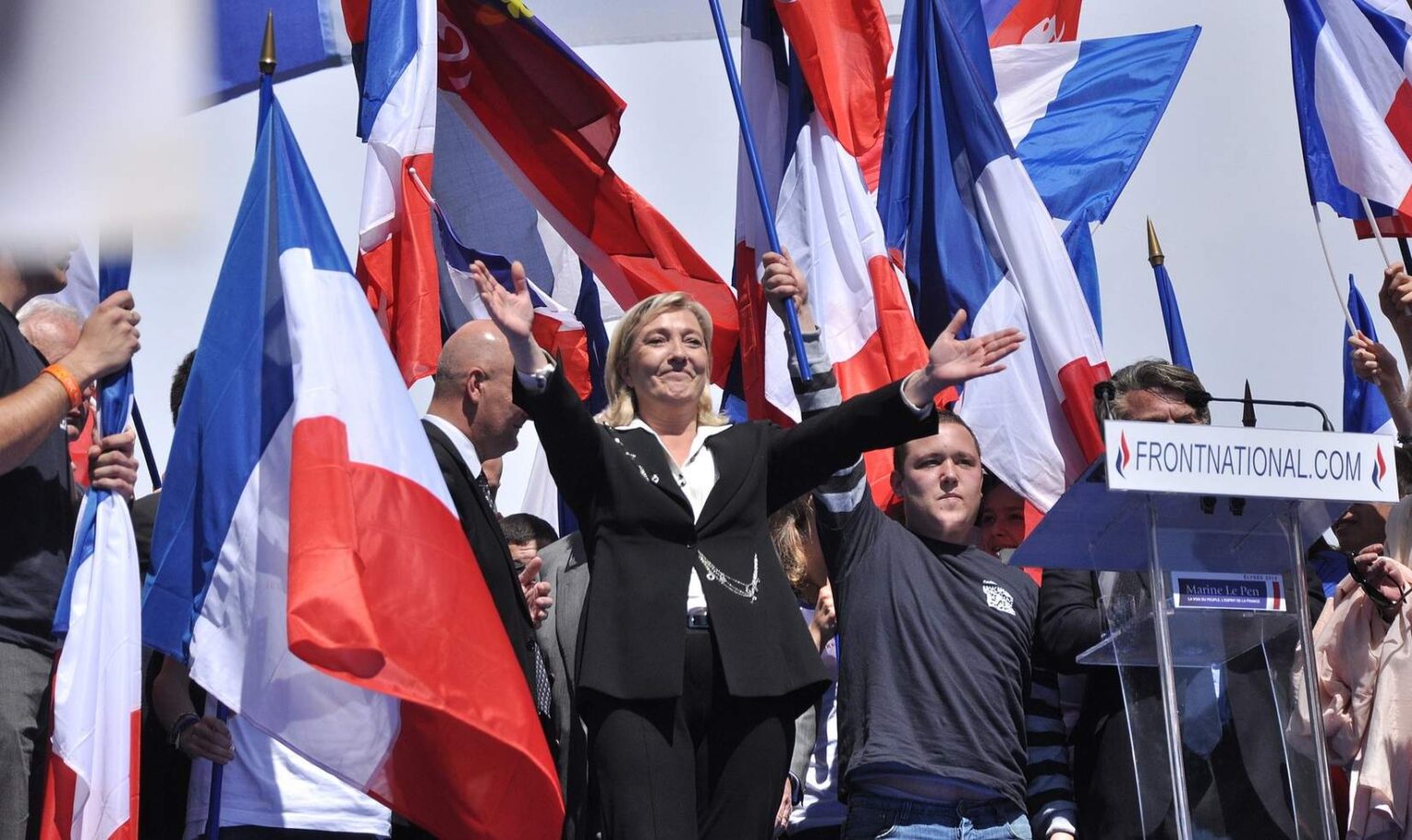
- The brief, published in June 2025 by ECFR experts Jeremy Cliffe, Teresa Coratella, Camille Lons, and Arturo Varvelli, maps the foreign-policy positions of 16 populist parties in Europe.
- It focuses on how these parties often called “challengers” because they disrupt traditional political mainstreams could influence Europe’s global role in the coming years.
Key Insights from the Analysis
1. Populists Are Increasingly Influential
Populist and challenger parties from the right and left are gaining political ground across the EU, which raises questions about Europe’s foreign policy consensus that has long been shaped by mainstream parties.
2. Shared Instincts, Wide Differences
Despite significant ideological and historical differences between populist parties, they share a set of basic instincts that stand apart from traditional European foreign-policy thinking.
These include:
- Greater emphasis on national sovereignty and skepticism of supranational institutions.
- A tendency to challenge established alliances and multilateral frameworks.
- Strained enthusiasm for deeper integration into EU security and defense mechanisms.
3. Foreign-Policy Themes Under Scrutiny
The report highlights how these parties diverge and converge on several major foreign-policy areas:
- Transatlantic relations: Some parties balance admiration for U.S. conservative figures with nationalistic priorities, complicating traditional NATO and EU ties.
- Russia and Ukraine: Many populists had pro-Russia leanings before 2022, but the war in Ukraine forced a recalibration for some though ongoing peace talks may embolden earlier instincts in certain cases.
Implications for Europe’s Foreign Policy Future
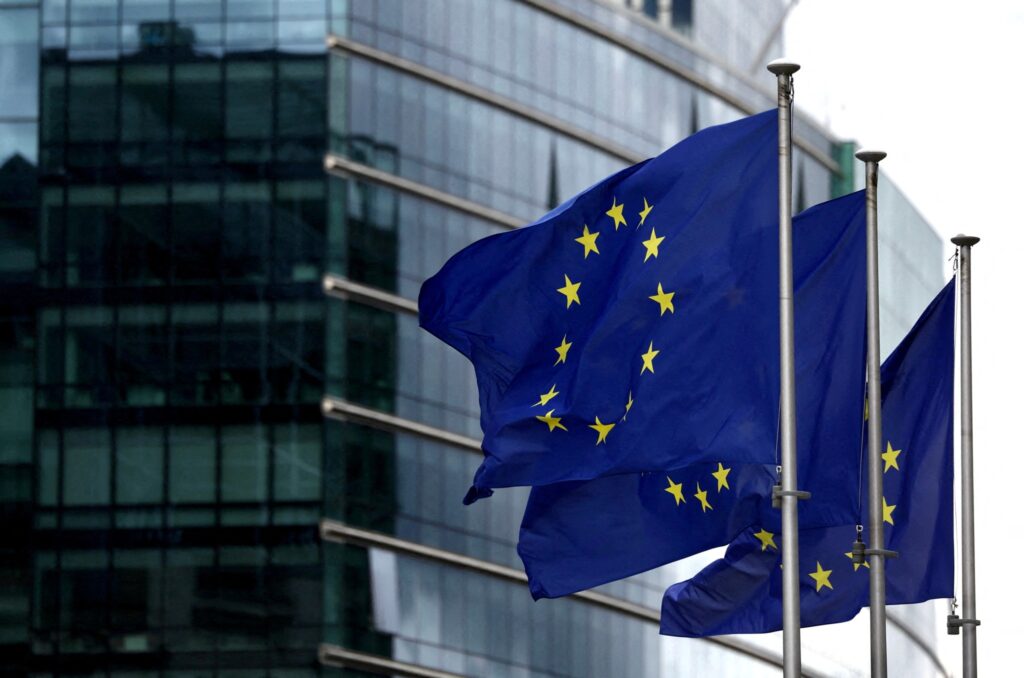
The brief suggests that as populist parties continue to gain seats and influence governments in EU member states, Europe faces multiple possible outcomes:
- A redefinition of the continent’s foreign policy priorities, potentially emphasizing bilateral ties over collective action.
- Increased fragmentation in EU foreign policy, with member states pursuing divergent strategic objectives.
- Scenarios in which Europe’s role on the global stage shifts away from current consensus positions on security, alliances, and geopolitical partnerships.
Why This Matters
This ECFR study is significant because it looks beyond domestic politics it places populism in the context of global geopolitics. As populist parties rise, their foreign-policy preferences could impact:
- NATO cooperation
- EU responses to Russia, China, and the U.S.
- European unity on defence, trade, and security
Understanding these trends helps policymakers anticipate changes in how Europe positions itself on trade, conflict, alliances, and global governance.