
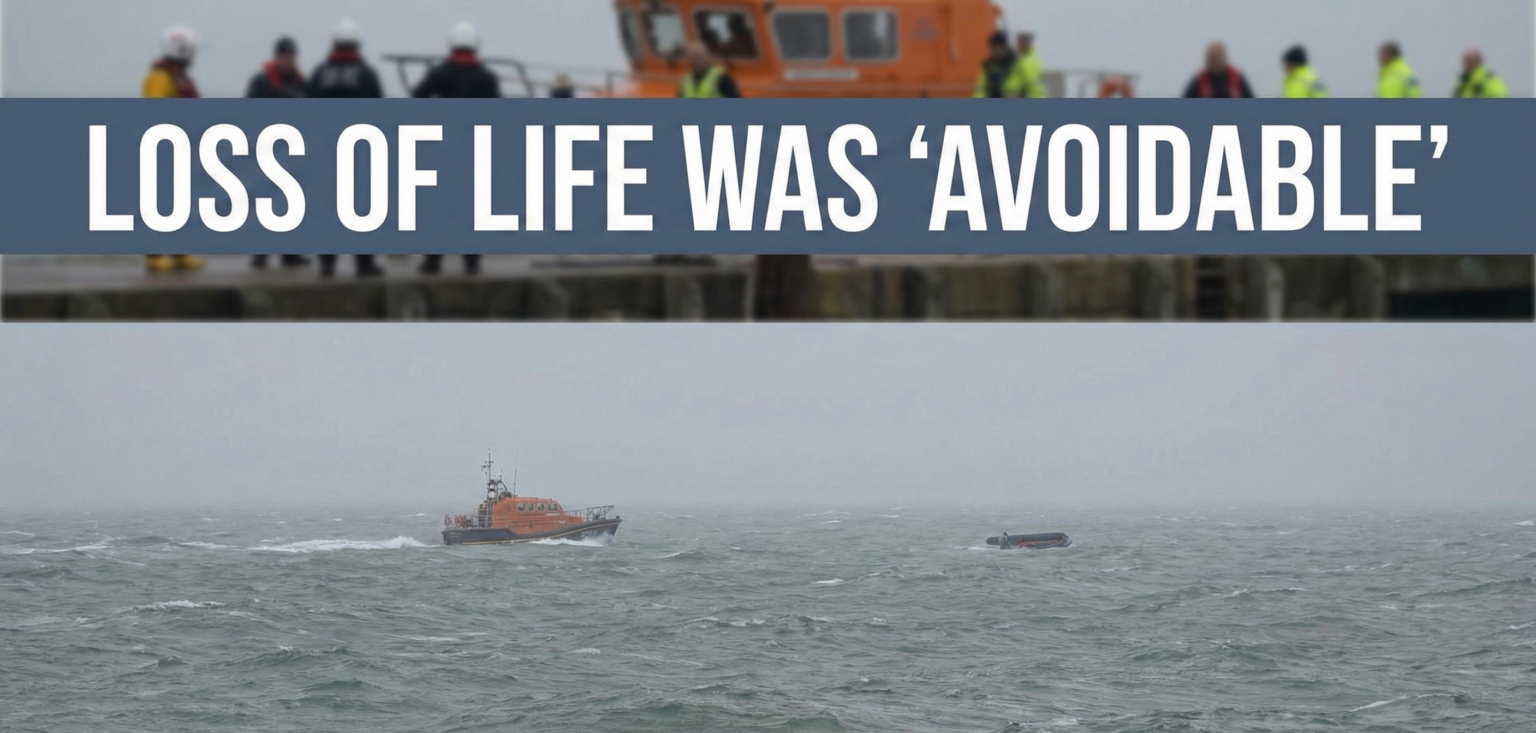

The lives of more than 30 people who died trying to cross the English Channel in a small boat could have been saved. That is the damning conclusion of a new inquiry, which found that a French warship failed to respond to a Mayday call and that the UK’s response was riddled with systemic flaws.
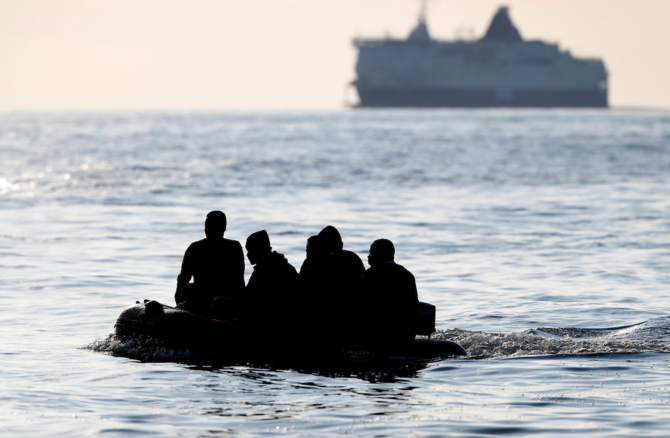
In the early hours of November 24, 2021, a small inflatable vessel capsized while attempting the perilous journey from France to the UK. It remains the deadliest incident of its kind on record.
A Tragedy of Errors
Chairman Sir Ross Cranston, who led the four-week inquiry costing approximately £7.5m, did not mince words in his 454-page report. He concluded that the loss of life “was avoidable” and that “some of the deaths could’ve been prevented.”+1
The inquiry identified several critical factors that led to the disaster:
- Ruthless Smugglers: Criminal gangs supplied an unsafe, unseaworthy vessel that was dangerously overloaded with at least 33 people and lacked adequate safety equipment.
- The French Response: The French warship Flamant was only 15 minutes away when HM Coastguard broadcast a Mayday relay at 2:27 am. However, it did not respond to the call, dubbed “Incident Charlie.”
- UK Failures: The UK’s search and rescue response was undermined by “systematic failures,” including chronic staff shortages at Dover.
The “What If” Scenario
The inquiry highlighted a heartbreaking missed opportunity involving the French authorities. While the reasons why the Flamant did not respond are subject to a separate French criminal investigation, Sir Ross noted the proximity of the vessel.
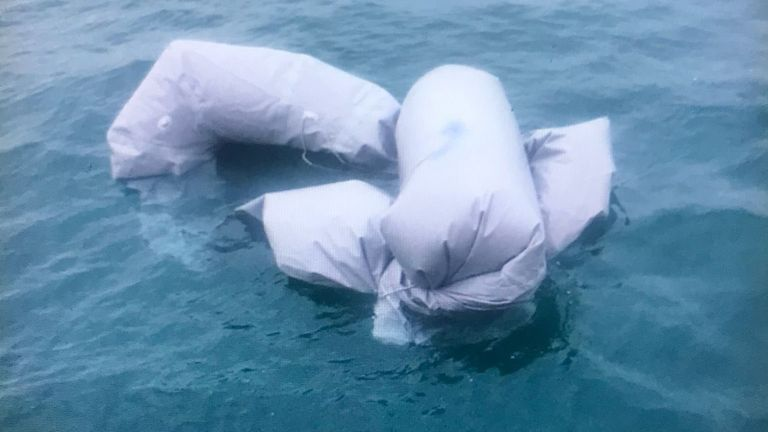
“Given its proximity to incident Charlie at the time of the Mayday relay, and that the small boat was intact at this time, if the Flamant had attended incident Charlie, many more and possibly all lives would have been saved,” the report stated.
“Treated Like an Animal”
Survivors laid bare the human cost of these failures. Only two people survived the disaster. Rescuers recovered them in French waters nearly 12 hours after the first distress calls.
Mubin Rizghar Hussein, a 16-year-old Iraqi Kurdish boy, made the first desperate call. He contacted UK authorities at 1:30 am. He told the operator, “Everything is finished.”
Issa Mohamed Omar, a survivor from Somalia, also testified. He told the inquiry he clung to the wreckage all night. He recalled the harrowing sound of a mother screaming for her children. “I believe if rescue would come quickly… half of those would still be alive today,” Omar said. “Because we have been seen as refugees, that’s the reason the rescue did not come at all. We feel like we’re treated like an animal.”
Systemic Failures in the UK
The report criticized the UK government as well. Sir Ross pointed to a “significant, systemic failure” by the government, which Boris Johnson led at the time. The inquiry found that resource shortages placed HM Coastguard in an “intolerable position.” Officials knew about these shortages for some time but took no action.
Furthermore, a negative mindset impacted the rescue efforts. Sir Ross noted a common belief among responders. They often thought callers from small boats “exaggerated their level of distress.”
Consequently, coordinators did not give “serious consideration” to the situation when the final call came at 3:11 am. They failed to realize the boat had capsized. A Border Force cutter, Valiant, attempted to reach the location. However, it failed to find the boat. Teams eventually terminated the search prematurely.
Moving Forward
Sir Ross has made 18 recommendations to improve search and rescue operations. A government spokesperson stated that agencies have made improvements since 2021. This includes closer cooperation with France and high-tech tracking technologies.
“This was a tragic incident, and our sympathies remain with the survivors and the loved ones of those who lost their lives,” the spokesperson said. “The practice of small boat crossings must end.”
Also Read : EU–Mercosur farmers protests – latest key developments