
What the EU–Mercosur Deal Is
The EU–Mercosur trade agreement is a long-negotiated free-trade pact between the European Union and the South American trade bloc Mercosur (including Brazil, Argentina, Uruguay, and Paraguay). Once in force, it would reduce tariffs on many goods traded between the two blocs, aiming to create one of the largest trade zones in the world roughly 780 million people and a quarter of global GDP.
Why Farmers Are Protesting
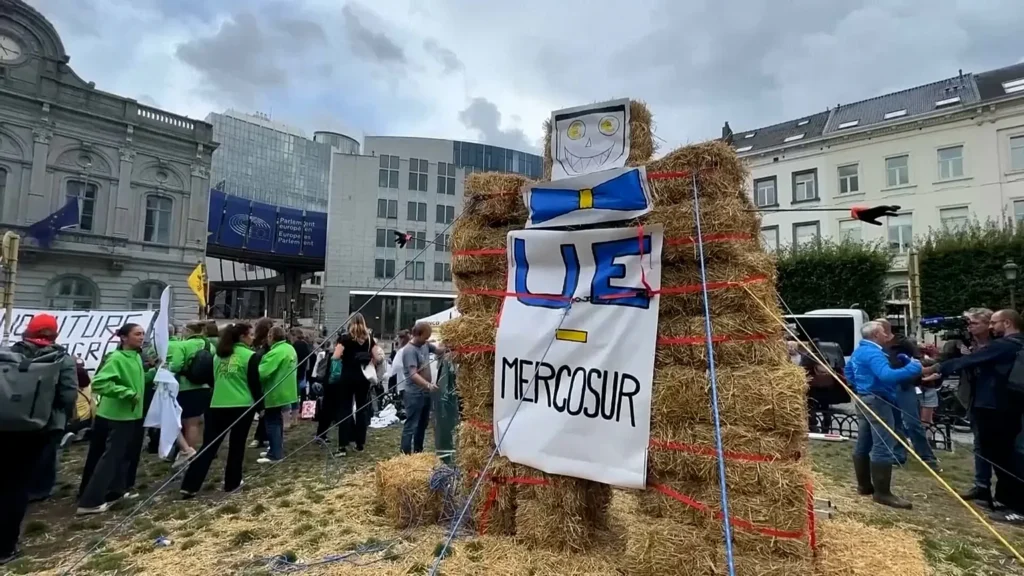
European farmers particularly in France, Belgium, Spain, Italy, Germany and other member states have taken to the streets (with tractors, road blockades, and burning barricades) for several related reasons:
1. Fear of Being Undercut by Cheap Imports
One of the biggest concerns is that the deal could allow large quantities of agricultural products from South America especially beef, poultry, soy and other staples to enter EU markets at lower tariffs. Farmers fear this will drive down prices and make it harder for local producers to compete, especially smaller farms already squeezed by cost pressures.
2. Agricultural Livelihood and Rural Economics
Farmers argue that European agriculture operates under strict environmental, animal-welfare and food-safety rules, which raise production costs compared with Mercosur producers. They worry the deal makes competition unfair if cheaper imports flood the market potentially threatening farm incomes and rural communities.
3. Common Agricultural Policy (CAP) Concerns
Some protests have also converged with broader complaints about cuts or reforms to the EU’s Common Agricultural Policy, which provides subsidies and support for farmers. Protesters want stronger protections and funding for farming as part of any trade pact.
4. Environmental & Food-Standards Criticism
Beyond economics, critics say the deal could undermine EU environmental standards. Opponents have argued that certain Mercosur exports may not meet EU norms or would require significant monitoring raising debates about sustainability, rainforest deforestation, and pesticide use.
5. Political and Broader Unrest
In some areas, protests have also been tied to wider discontent over national farm policies, disease control measures (such as cattle health responses), and frustration with EU decision-making creating a broader sense of rural marginalization.
What the Protests Look Like
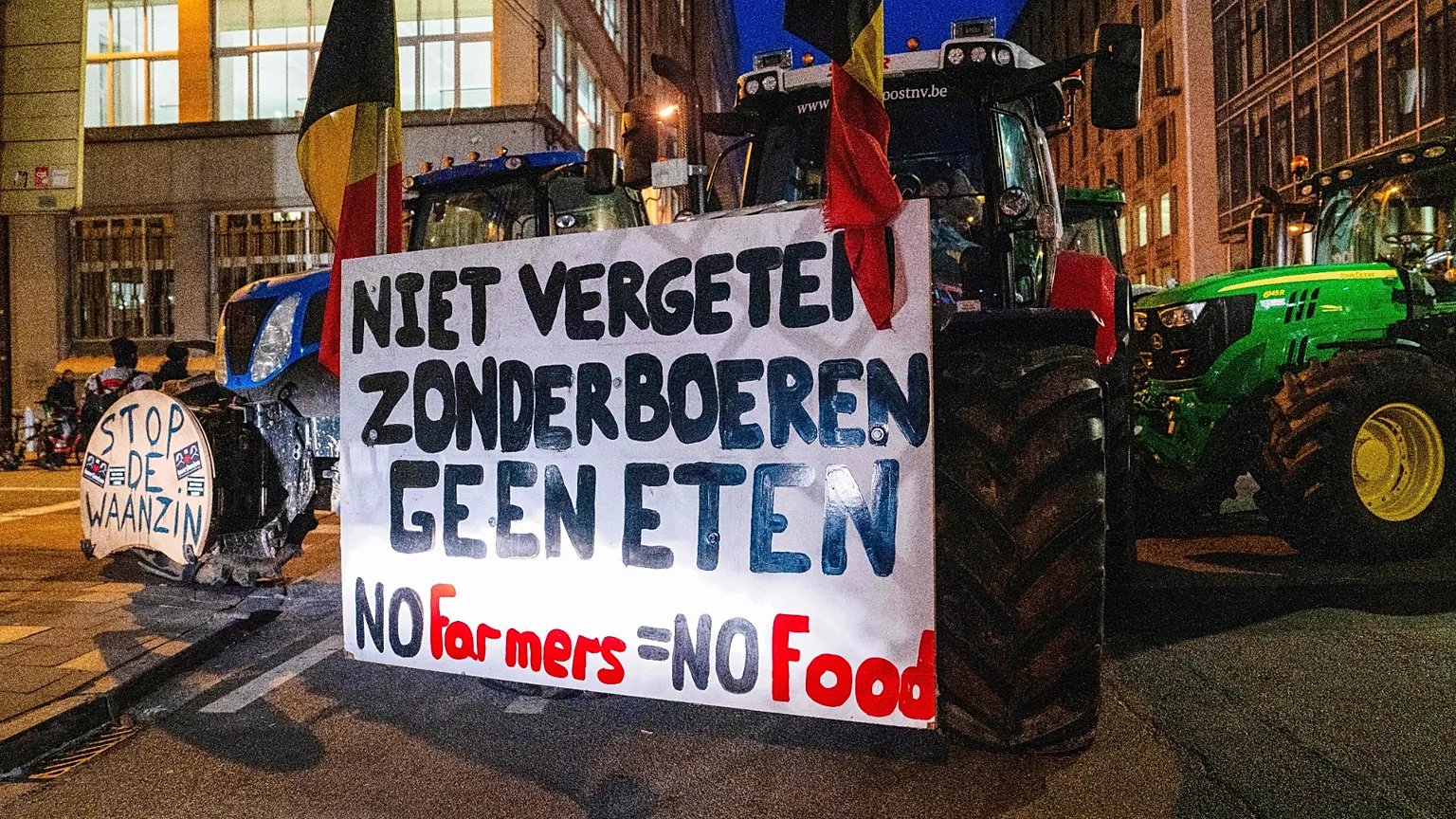
- Tractor blockades and road stoppages in and around Brussels, especially during EU summits.
- Clashes with police, including water cannon and tear gas responses in some cities.
- Tractor convoys and demonstrations with thousands of farmers calling for protections and policy changes.
Impact on the Trade Deal
The protests, combined with political hesitation from countries like France and Italy, have delayed the planned ratification of the deal. The signing — which had been close — was postponed to address concerns and possibly secure greater safeguards for farmers before moving forward.
European farmers are protesting the EU Mercosur deal because they believe that:
- Cheaper imports from South America will undercut local farm prices.
- Their livelihoods are threatened under existing strict EU standards.
- Current farm support and protections are insufficient.
- Environmental and food-quality norms could be compromised.