
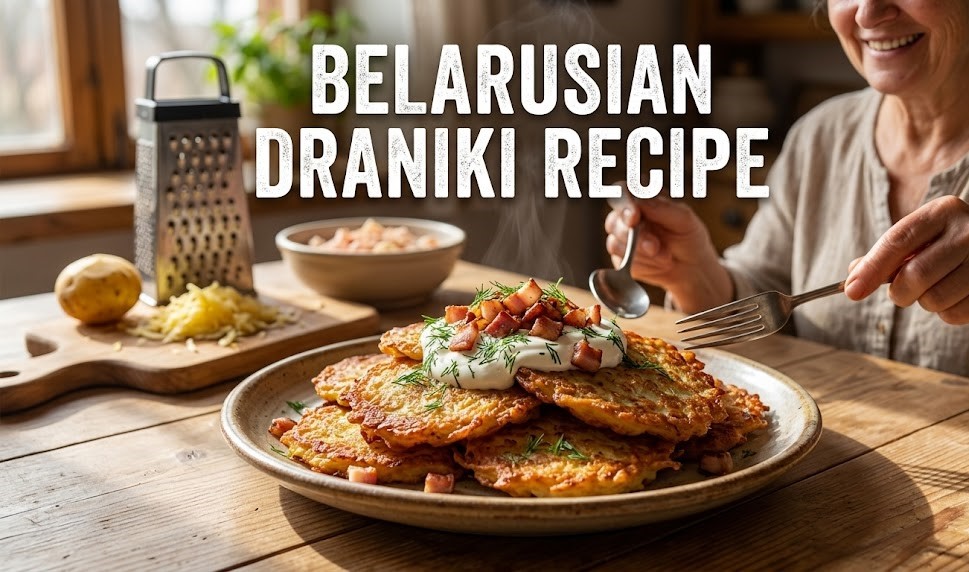

Potato Pancakes, known as Draniki, are the undisputed soul of Belarusian cuisine. While similar dishes exist across Eastern Europe—such as Polish Placki Ziemniaczane or Ukrainian Deruny—the Belarusian version is celebrated for its simplicity and the specific technique used to achieve a perfect, golden-brown crunch.
In Belarus, potatoes aren’t just an ingredient; they are a staple that has sustained the nation through history. To make authentic Draniki, you don’t need a long list of fancy items, but you do need to understand the science of the starch.
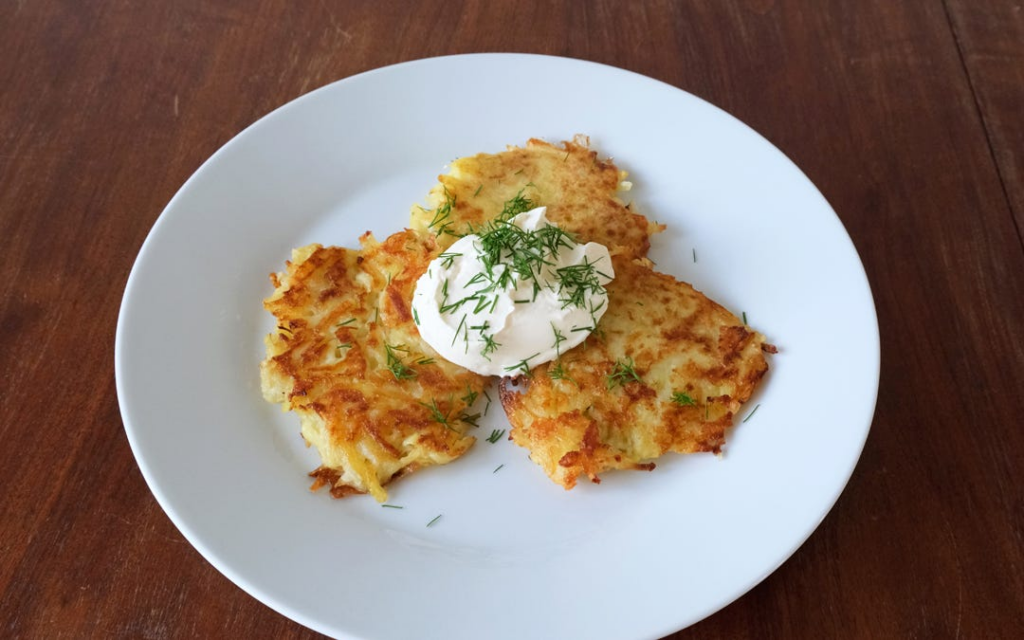
The Secret to the Perfect Crunch: High Starch
The most critical factor in a successful Potato Pancake is the type of potato you choose. You must use a variety with a high starch content.
- Best Varieties: Idaho or Russet potatoes are ideal. Their dense starch cells separate during cooking, allowing the exterior to crisp up beautifully while the inside remains tender. According to the USDA Nutritional Profile, these starchy varieties provide essential potassium and Vitamin C, though their preparation significantly impacts their caloric density.
- Varieties to Avoid: Avoid “waxy” potatoes like redskins or new potatoes. Their low starch content makes it nearly impossible to achieve that signature crunch, often leading to a soggy texture.
The Starch Recovery Trick
When you grate your potatoes, they release a lot of liquid. Most people make the mistake of dumping this liquid down the drain. Don’t do it!
- Squeeze the grated potatoes over a bowl to collect the liquid.
- Let the liquid sit for a few minutes until a cloudy white substance settles at the bottom.
- Pour off the brown water and scrape that natural potato starch back into your dough.
This “liquid gold” is what binds the pancake and creates the ultimate crispy texture. Interestingly, the cooling of cooked potatoes can increase their Resistant Starch content (Mayo Clinic), which acts similarly to fiber and supports gut health.
Frying Like a Pro: Health and Safety
Frying can be intimidating, but there is a simple “low-tech” way to know if your oil is ready. Using the Chopstick Test, dip the tip of a wooden tool into the oil; if bubbles form within 3 seconds, you are ready.
To keep this dish as heart-healthy as possible, choose oils with high smoke points and low saturated fats. The American Heart Association recommends using oils like canola or sunflower to maintain better cholesterol profiles while frying.
Furthermore, be mindful of the temperature to avoid over-browning. The FDA warns about Acrylamide, a chemical that can form in starchy foods during high-heat cooking like frying. Aim for a golden-yellow to golden-brown color rather than a dark brown to minimize risk. For individuals managing blood sugar, it is also helpful to understand how Potatoes affect the Glycemic Index (NIH), as the way a potato is cooked and paired with fats can alter how quickly your body processes the carbohydrates.
Ingredients & Serving
- 6 Idaho/Russet Potatoes: Peeled and grated.
- ½ Sweet Onion: Grated (the onion juice actually helps prevent the potatoes from browning).
- 1 Egg: To act as a binder.
- 3 tbsp Sour Cream: Adds a hidden tang and keeps the interior moist.
- Vegetable Oil: For shallow frying.
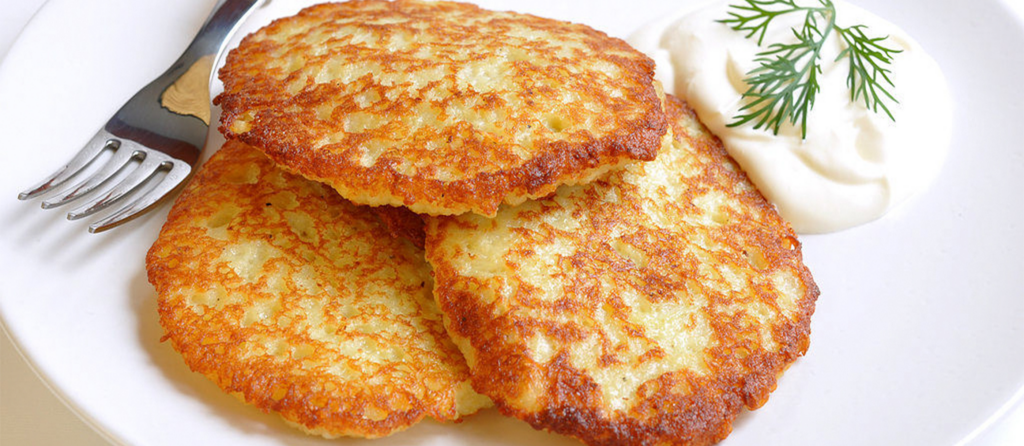
Draniki are traditionally served hot. The most popular toppings include a dollop of cold sour cream (Smetana) or applesauce for a sweet-and-salty contrast.
Also Read : Viral Croatian Peka Recipe