
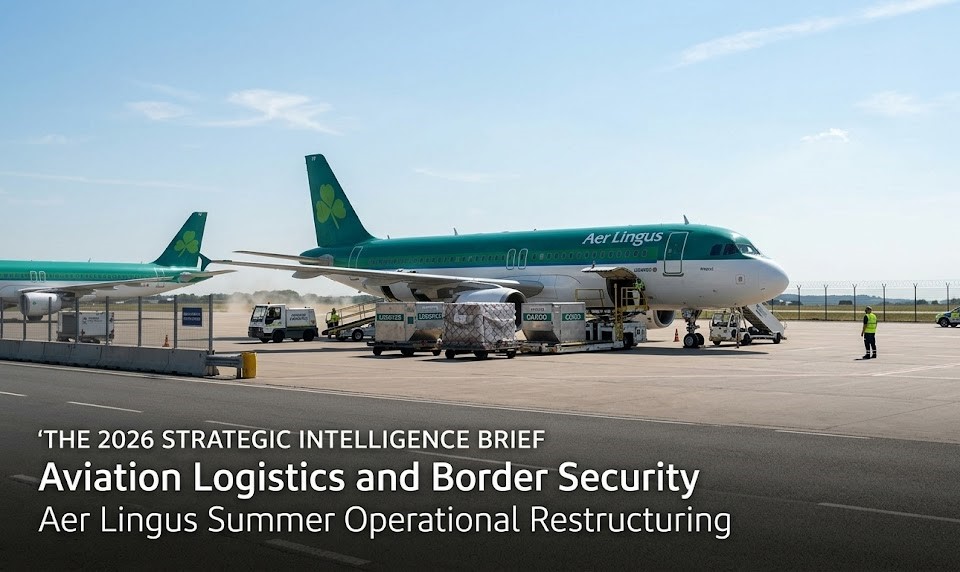

In the commercial aviation sector of 2026, operational reliability and border security compliance remain paramount. Ireland’s flag carrier, Aer Lingus, has executed a significant operational restructuring affecting its summer 2026 schedule and trans-Irish Sea identity requirements. This intelligence brief deconstructs the logistics behind the proactive cancellation of over 500 flights, the economic implications of mandatory maintenance, and the strategic shift in passport regulations within the Common Travel Area.
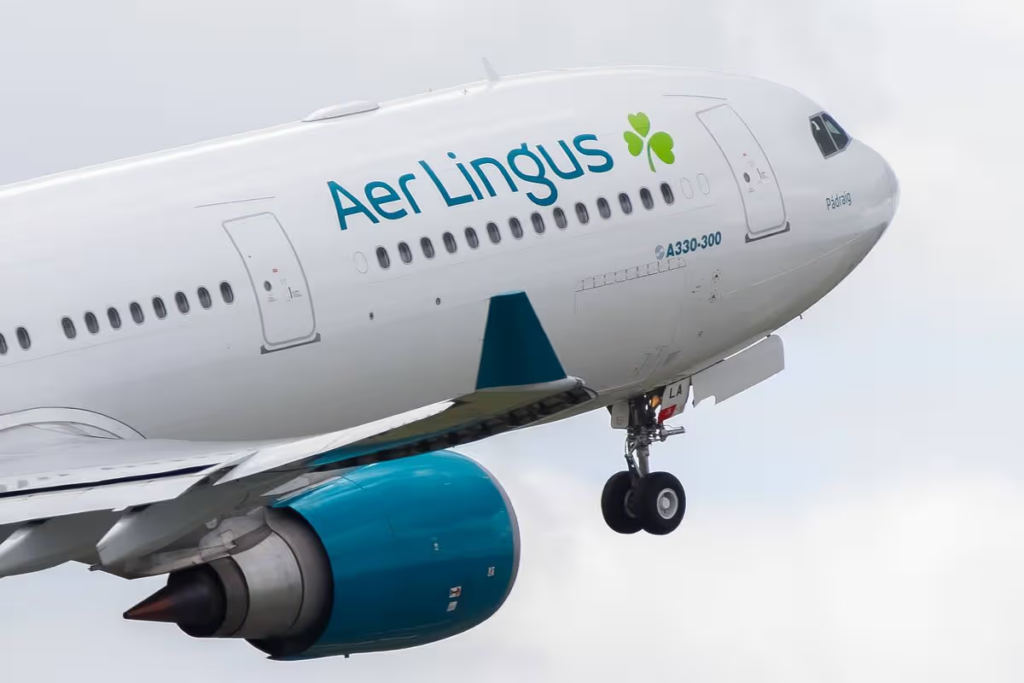
Historical Context and The Common Travel Area
Historically, the Common Travel Area (CTA) between the United Kingdom and the Republic of Ireland allowed citizens to cross the border with minimal friction. For decades, airlines permitted transit using basic forms of photo identification, such as driving licenses, work IDs, or even bus passes. However, effective February 25, 2026, Aer Lingus fundamentally altered this protocol. The airline now mandates that all passengers traveling between the UK and the Republic of Ireland present a valid passport or an Irish passport card, effectively ending the era of relaxed, informal transit documentation on their routes.
Technical Mechanics: Operational Cancellations
The disruption to the summer 2026 schedule is driven by a non-negotiable operational reality: mandatory aircraft maintenance.
- The Scale of Disruption: Internal documentation indicates the airline has proactively purged over 500 flights from its peak summer rotation.
- Geographic Impact: These cuts affect operations originating from the primary Irish hubs: Dublin, Shannon, and Cork airports. The route disruptions span domestic, European, and high-value transatlantic corridors.
- The Mitigation Strategy: Despite the high raw number of cancelled flights, this reduction represents only approximately 2% of the airline’s total seasonal operations. Aer Lingus has deployed a logistical re-accommodation framework, aiming to shift the vast majority of displaced passengers onto alternative same-day services to prevent systemic bottlenecks.
Economic Impact: Proactive Maintenance vs. AOG Scenarios
From a macroeconomic perspective, grounding aircraft during the peak summer revenue season is a calculated financial risk. It results in immediate lost revenue, refund processing costs, and increased operational overhead to rebook thousands of passengers. However, this is a strategic Capital Expenditure (CAPEX) protection measure. By executing mandatory maintenance proactively, Aer Lingus avoids catastrophic, unplanned “Aircraft on Ground” (AOG) scenarios. Unplanned AOGs during peak season carry exponentially higher financial and reputational penalties than controlled, advance-notice cancellations.
Sociocultural and Behavioral Implications
Behaviorally, the sudden shift in identification requirements introduces high friction for frequent flyers, cross-border commuters, and expatriate families. Travelers who previously relied on the relaxed CTA rules must now absorb the bureaucratic and financial burden of acquiring formal passport documentation. In the short term, this policy shift is likely to cause localized disruptions at departure gates as uninformed passengers attempt to travel with previously accepted IDs (like bus passes), leading to denied boardings and localized customer service friction.
Competitive Analysis and Security Frameworks
By unilaterally tightening its border documentation requirements, Aer Lingus is aligning its regional operations with stricter international security standards. This reduces the airline’s liability regarding undocumented or improperly vetted passengers entering the Republic of Ireland or the UK. While this may temporarily push some friction-averse travelers toward ferry operators or competing airlines that still accept lesser forms of ID, it fortifies Aer Lingus’s overall security architecture and streamlines their boarding verification processes.
Conclusion
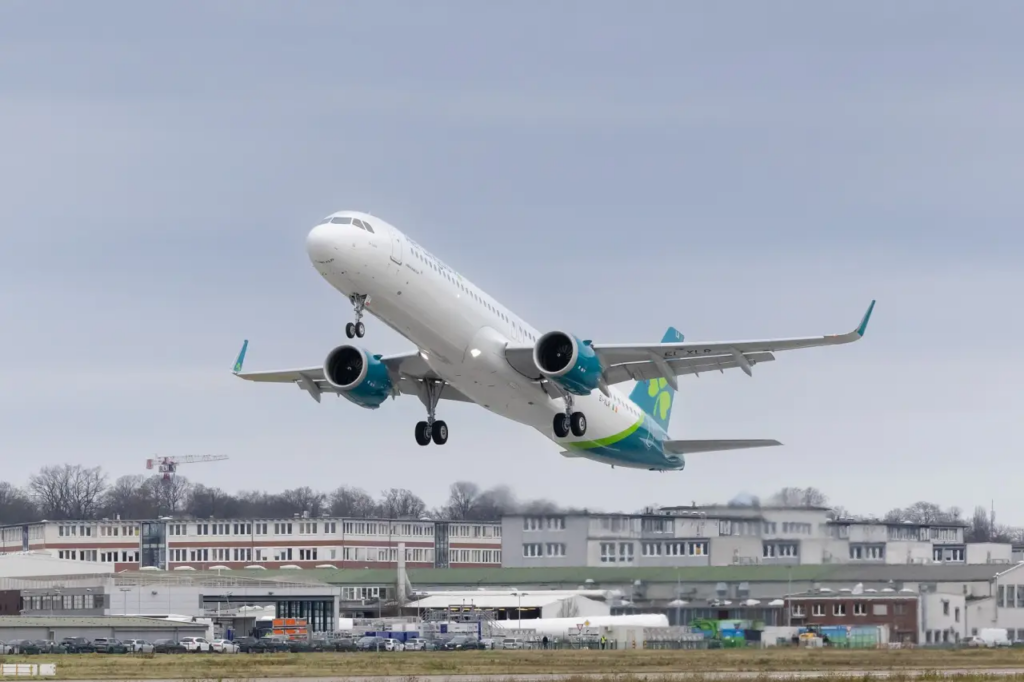
The strategic verdict for the summer of 2026 is that Aer Lingus is prioritizing long-term operational integrity and regulatory security over short-term passenger convenience. By absorbing the financial hit of 500 summer cancellations to guarantee fleet airworthiness, and by enforcing strict passport mandates across the Irish Sea, the airline is reinforcing its operational baseline. Passengers must now treat the UK-Ireland transit corridor with the same bureaucratic rigor as standard international travel, recognizing that the logistical grace periods of the past have officially concluded.
Also Read : The Cheapest Destinations in Europe for Budget Travelers
