


The smell of mulled wine, the warmth of gingerbread, twinkly lights against half-timbered houses, the sound of carols in a medieval square. European Christmas markets are one of the continent’s great seasonal experiences, and choosing which to visit is half the joy.
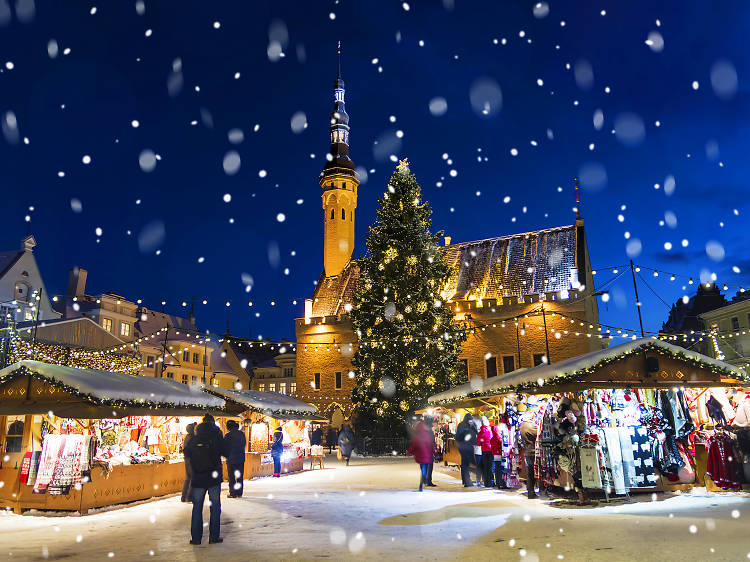
Christmas market season opens roughly the last Friday of November (or first Friday before Advent in Germanic tradition) and stretches into late December, with some markets continuing through Three Kings Day on January 6. Each city does it differently: Strasbourg is grand and historical, Colmar is fairy-tale Alsatian, Vienna is elegant, Nuremberg is the original tradition, Prague is dramatic, Tallinn is medieval, Budapest is rich.
This guide ranks the 10 European Christmas markets most worth flying for in 2026, with the honest tradeoffs of each.
Planning a Christmas market trip in 2026? Our travel experts handle the hotels (which book out 6 to 9 months ahead for prime markets), the train routing, and the city combinations that work logistically. Request a tailor-made trip.
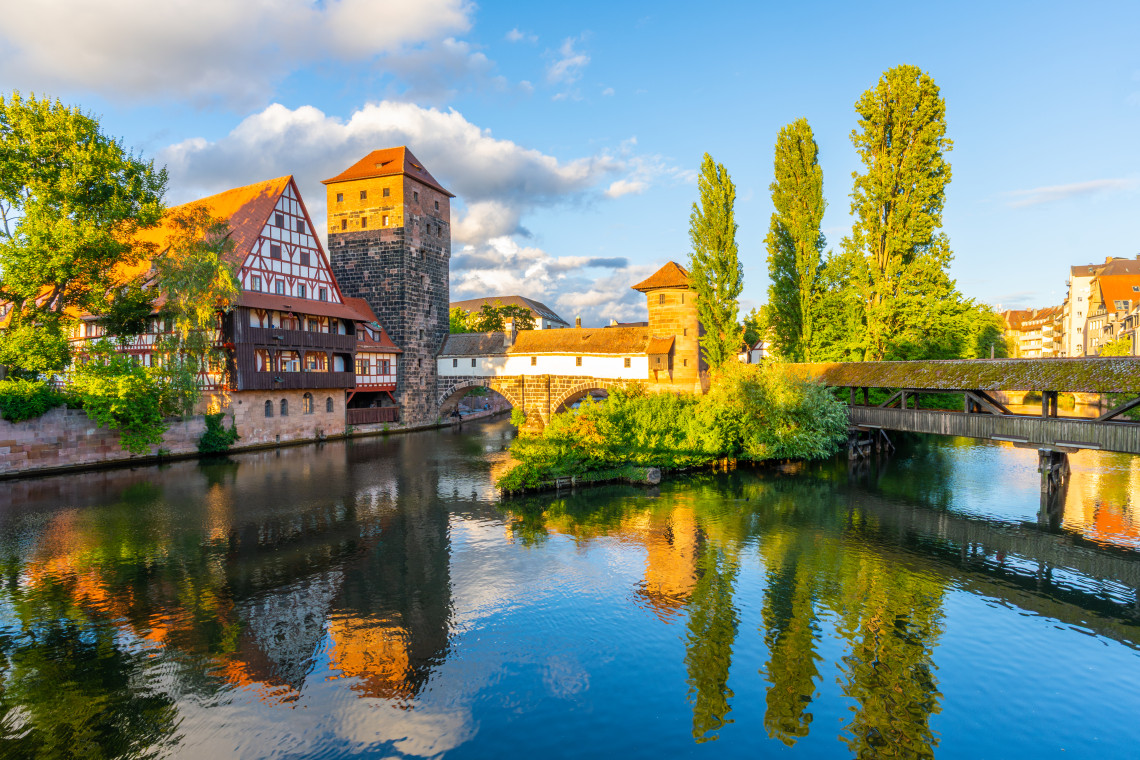
1. Strasbourg, France: Capital of Christmas (since 1570)
The oldest Christmas market in France and one of the oldest in Europe, dating to 1570 in this Alsatian capital. Strasbourg officially trademarks itself as “Capitale de Noël” (Capital of Christmas), and the entire historic center transforms into 11 separate markets across the UNESCO-listed Grande Île. The Place Kléber hosts the giant illuminated Christmas tree (typically 30+ meters tall, the centerpiece of the whole city), Place de la Cathédrale runs the markets directly under the soaring spire of Notre-Dame de Strasbourg, and the Petite France district adds the canal setting.
Best for: Travelers who want the most complete, historical, large-scale Christmas market experience in Europe.
Honest tradeoffs: Strasbourg gets very crowded on weekends (especially December weekends after dark). Hotels book out 6 to 9 months in advance and prices are at European peak in December. Some travelers find the scale overwhelming.
Tip: Combine with Colmar (30 minutes south by TER train) for the complete Alsace Christmas experience. 2 nights Strasbourg + 2 nights Colmar is the most-requested itinerary.

2. Colmar, France: the storybook Alsatian village
Colmar is the picture-perfect Alsatian counterpart to Strasbourg. Six distinct Christmas markets spread across the old town, each with its own theme: Place des Dominicains (the biggest), Place Jeanne d’Arc (the cozy one), Place de l’Ancienne Douane (historic), the indoor Koïfhus (artisans), Petite Venise (children, with the canal setting), and Rue de la Montagne Verte (gourmet, with live cooking by 9 regional chefs).
Best for: Travelers who want the fairy-tale Alsatian village atmosphere — half-timbered houses, canals, twinkly lights, the classic Christmas market postcard.
Honest tradeoffs: Smaller than Strasbourg, so it can feel crowded faster despite fewer total visitors. The Christmas-New Year week is the most expensive and most crowded. Stay outside the old town for better hotel value.
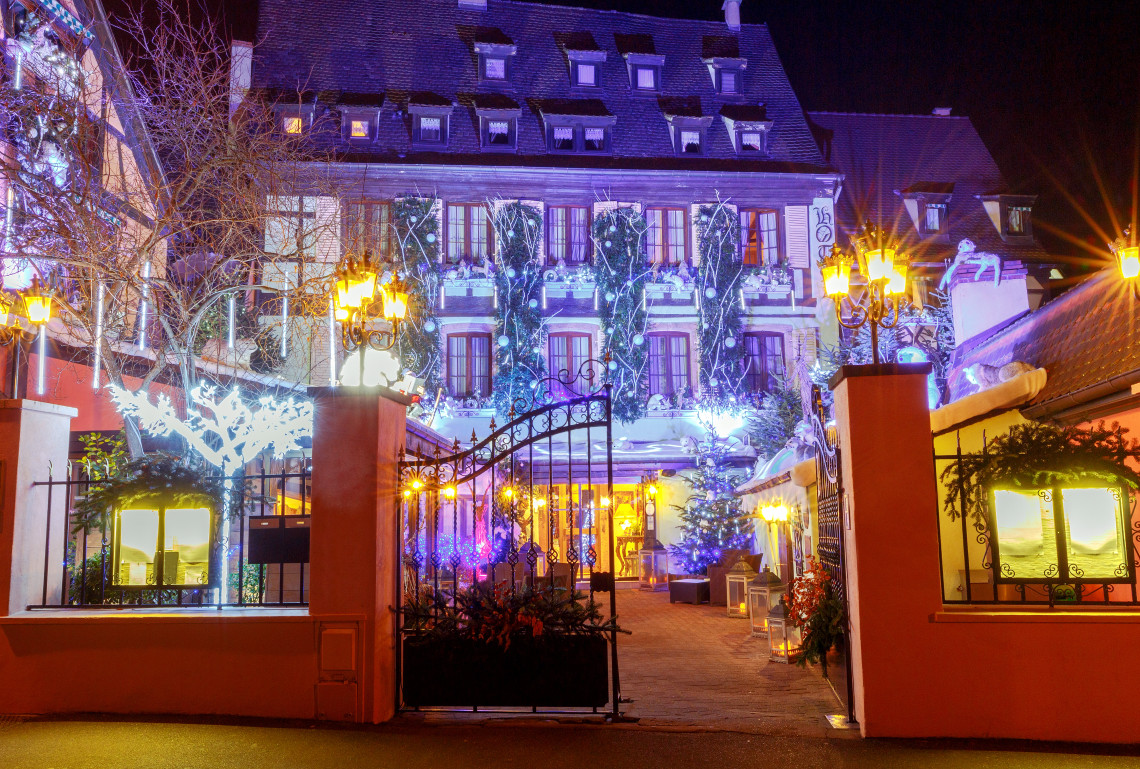
3. Vienna, Austria: imperial elegance
Vienna runs over 20 Christmas markets across the city, each with a different character. The most famous: Christkindlmarkt am Rathausplatz (in front of the neo-gothic City Hall, the most photographed), Schönbrunn Palace Christmas Market (in the courtyard of the imperial palace, the most elegant), Spittelberg (the boutique, off-the-beaten-path market with the highest-quality crafts), and Karlsplatz (the most arty, focused on independent makers).
Best for: Travelers who want imperial grandeur, exceptional Austrian food (Kaiserschmarrn, Bratwurst, Lebkuchen, Punsch), and a major city to explore between markets (Belvedere, Schönbrunn, the Hofburg, the Vienna State Opera).
Honest tradeoffs: Vienna’s Christmas markets feel scattered across the city, so a 4-day trip is the minimum to do the best 5 to 6 properly. Compared to Alsace’s compactness, Vienna requires more transport.
4. Nuremberg, Germany: the original tradition
2026 dates: November 27 to December 24 (first Friday before Advent through Christmas Eve).
The Nuremberg Christkindlesmarkt is one of the oldest Christmas markets in the world, with written records as early as 1628. The market opens each year with the famous “Christkind” — a young woman dressed as a golden-haired angel — reciting the opening prologue from the balcony of the Frauenkirche. The 180+ chalets in the Hauptmarkt (Main Market Square) sell traditional German crafts: the Nuremberg gingerbread (Lebkuchen), the famous Nuremberg sausages (Nürnberger Rostbratwurst), prune people figurines (Zwetschgenmännle), and tin angels.
Best for: Traditionalists who want the most authentically German, oldest-tradition Christmas market in Europe. History travelers (Nuremberg’s medieval old town is among Germany’s finest).
Honest tradeoffs: Closes early — December 24 is the final day. Most stalls focus on traditional German fare without much variety. Heavy regional German crowds on weekends.
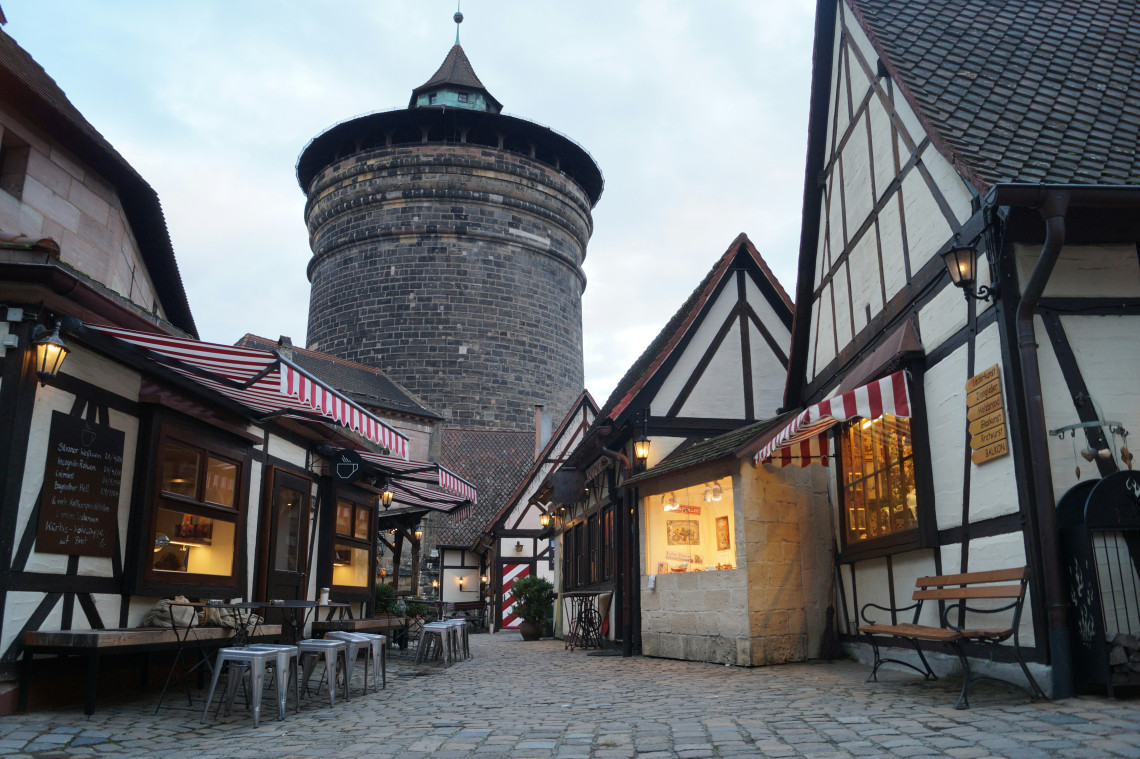
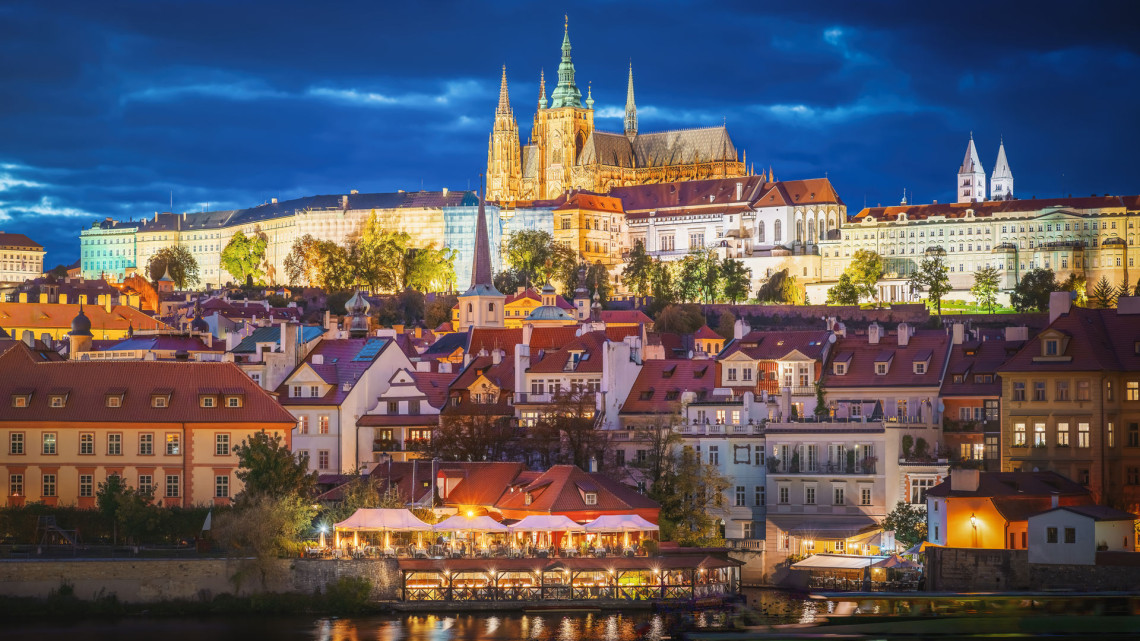
5. Prague, Czech Republic: dramatic and post-Christmas friendly
(Staroměstské náměstí) and Wenceslas Square (Václavské náměstí) transform the medieval city into one of the most dramatically lit Christmas scenes in Europe. The astronomical clock tower as the backdrop. Wooden stalls with Czech glassware, garnets, marionettes, traditional sweets. Live Christmas trees in both main squares. Plenty of Trdelník (the rolled cinnamon-sugar pastry that has become Prague’s Christmas market signature), Czech sausages, and svařák (the Czech mulled wine).
Best for: Travelers who want medieval atmosphere, dramatic photography backdrops, and the option to visit after Christmas (the markets run to January 6).
Honest tradeoffs: Prague gets very cold in December (often below freezing). Many of the most photographed scenes are crowded with tourists from morning through evening. The Trdelník (despite being delicious) is not actually traditional Czech Christmas food.
6. Budapest, Hungary: warm and food-led
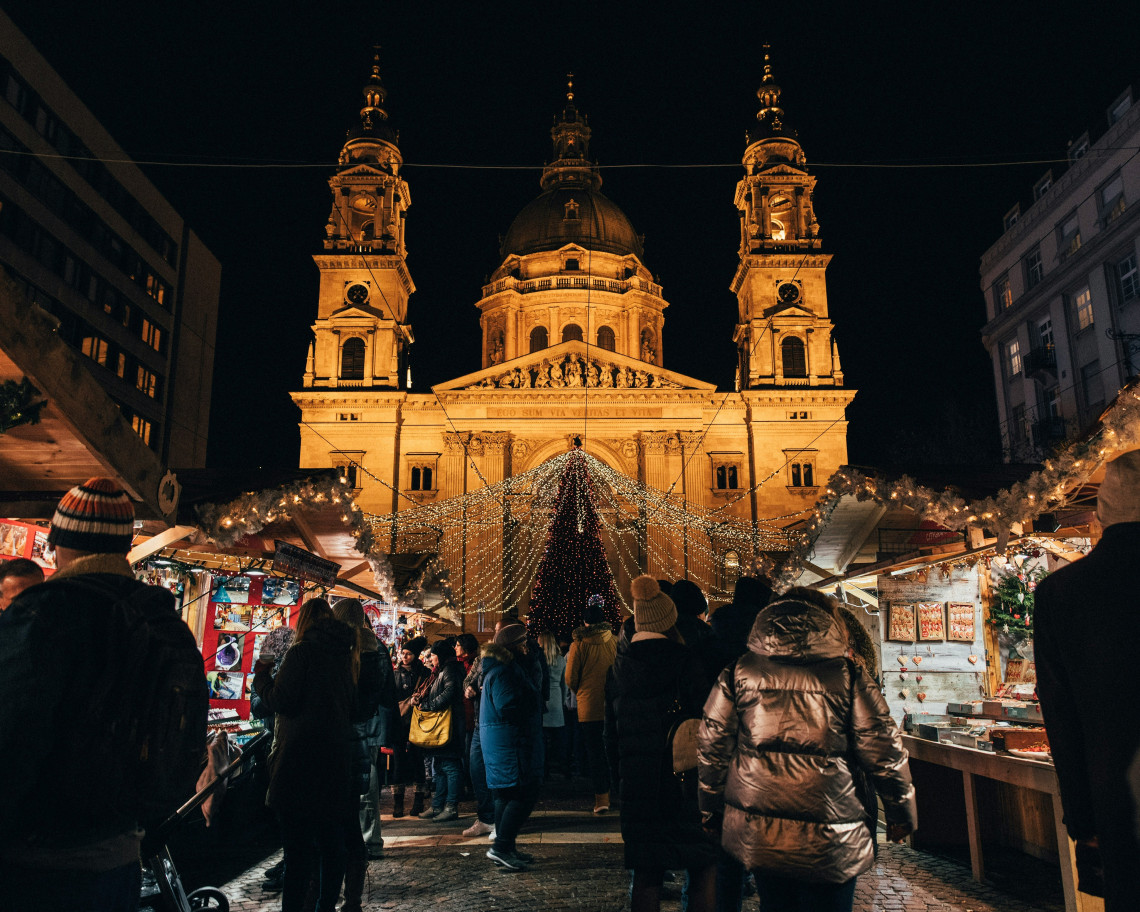
Budapest’s main markets at Vörösmarty Square and St. Stephen’s Basilica are smaller in scale than Vienna or Strasbourg but consistently rank among the best in Europe for atmosphere. The Basilica market sets up around the city’s largest church, with the facade illuminated by a free light show every evening. The food scene is exceptional: chimney cake (kürtőskalács), lángos, stuffed cabbage, hot wine with Hungarian spices. After the market, retreat to one of Budapest’s famous thermal baths (Széchenyi, Gellért, Rudas) for the most distinctive European Christmas market combination.
Best for: Foodies, photographers, travelers who want a less-Western-European Christmas market experience. Thermal bath enthusiasts.
Honest tradeoffs: Smaller scale than the major Alsace or Austrian markets. Hungarian Christmas market food is heavier than German or French — pace yourself.
7. Tallinn, Estonia: medieval and snowy
Tallinn’s Christmas market in Raekoja plats (Town Hall Square) is consistently named one of Europe’s most atmospheric, set inside one of the best-preserved medieval old towns in Europe. The Christmas tree at the center of the square is, by Tallinn’s claim, the oldest publicly displayed Christmas tree in the world (first recorded in 1441, predating Riga’s competing claim by 69 years). The cobbled streets of the medieval old town wind out from the market, with views of the Toompea castle on the hill above. Reliable snow (compared to Western European markets where snow is occasional).
Best for: Travelers who want medieval atmosphere, reliable winter snow, fewer crowds than Western European markets, and an under-the-radar destination.
Honest tradeoffs: Very cold in December (typically -5°C to -10°C). Some restaurants and tourist services have limited hours. Fewer direct flights from North America (typically connect via Helsinki, Stockholm, or Frankfurt).
8. Copenhagen, Denmark: hygge and Tivoli Gardens
2026 dates: Tivoli Gardens Christmas market typically runs November 14 to December 31. Multiple smaller markets across the city in parallel.
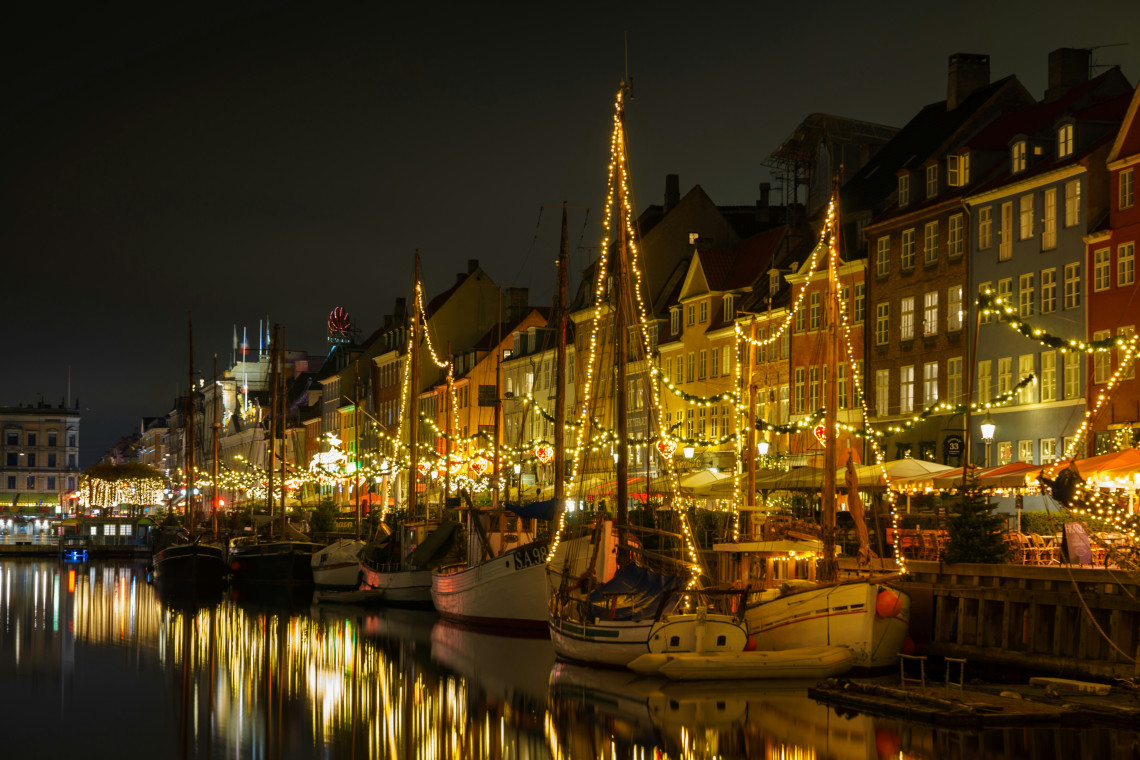
Copenhagen’s Christmas markets center on Tivoli Gardens — the world’s second-oldest amusement park (1843), transformed each November into one of the most magical Christmas wonderlands in Europe. The park lights up with over a million tiny lights, the Christmas market wraps around the lake, and rides operate alongside the chalets. Other markets at Højbro Plads, Kongens Nytorv (the King’s New Square), and at the Nyhavn waterfront.
The Danish concept of hygge (cozy contentment) finds its purest expression in Copenhagen at Christmas: candle-lit restaurants, fireside cafés, wool blankets on outdoor terraces.
Best for: Families with children (Tivoli is unmatched for kids), travelers who want a polished, design-led Christmas market experience, hygge enthusiasts.
Honest tradeoffs: Tivoli entrance is paid (entrance only, then pay per ride). Copenhagen is among the most expensive European cities for hotels and food.
9. Berlin, Germany: over 100 markets, every taste
2026 dates: Late November 2026 to early January 2027 (varies by market — some close December 24, others run to January 6).
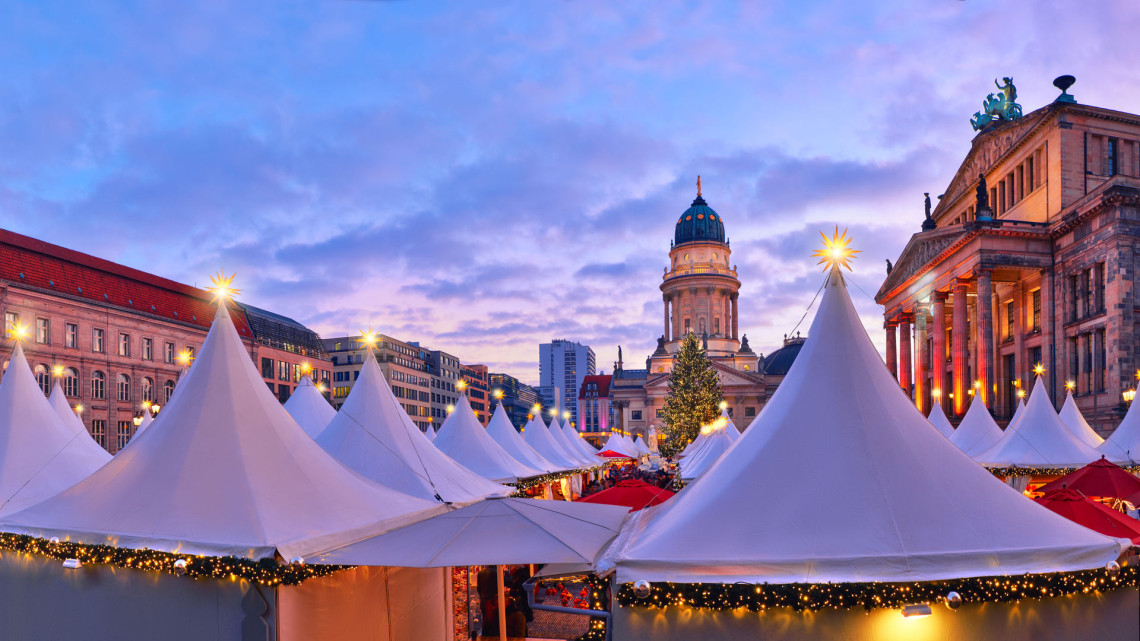
Berlin runs over 100 Christmas markets across the city. The famous ones: Gendarmenmarkt (the most elegant, in front of the symmetrical Konzerthaus and the French and German cathedrals), Charlottenburg Palace (in the courtyard of the baroque palace, one of the most beautiful settings), Alexanderplatz (the largest and most varied), and Spandau (medieval, the most traditional). For something completely different: WeihnachtsRodeo at Markthalle Neun (a hipster alt-Christmas market with craft beer, vintage stalls, and modern food).
Best for: Travelers who want variety, are visiting Berlin for the city itself and adding markets as a layer, and don’t mind moving between districts.
Honest tradeoffs: No single Berlin Christmas market dominates — variety is the point but also a logistical question. Pick 4 to 6 markets in advance and route the days.
10. Salzburg, Austria: the Sound of Music in snow
2026 dates: Mid-November 2026 to December 26.
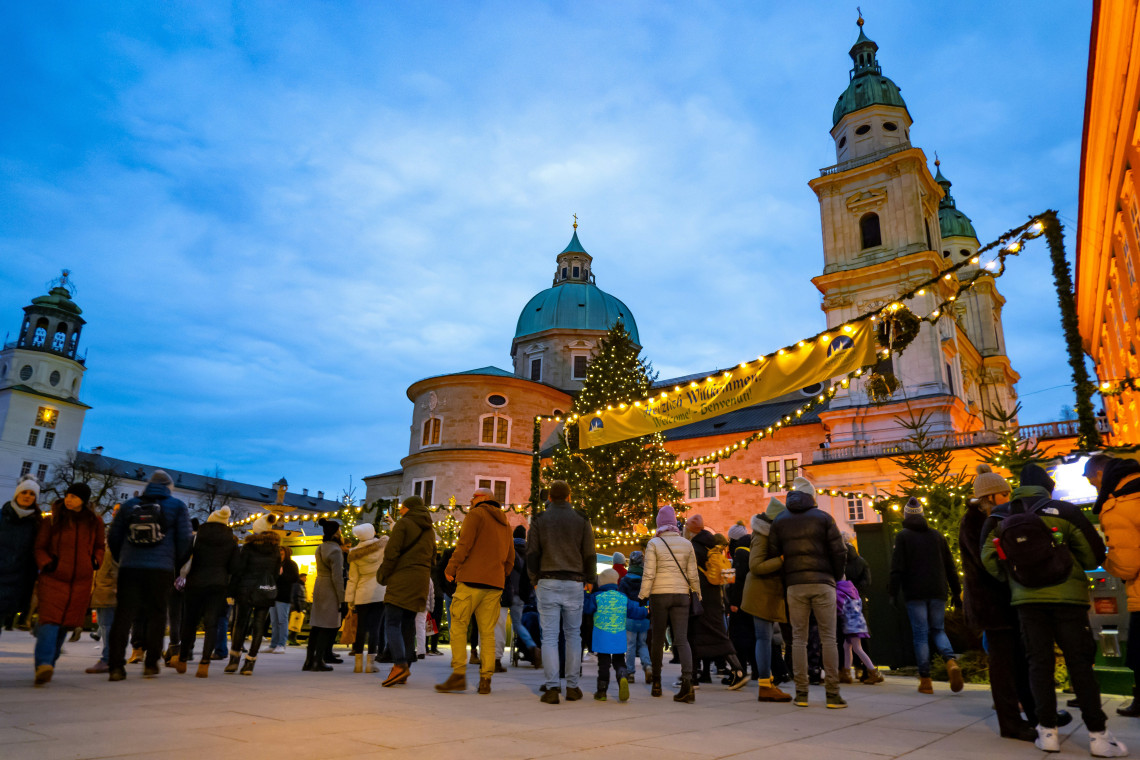
Salzburg’s Christkindlmarkt on the Domplatz (Cathedral Square) and Residenzplatz is among the most picturesque in Austria, set between the baroque Salzburg Cathedral and the Hohensalzburg Fortress on the hill above. The narrow alpine streets of the old town (UNESCO listed, Mozart’s birthplace) wind down from the markets. Side trip to the Hellbrunn Palace Christmas Market on weekends. Combine with Mozart concerts at the Schloss Mirabell.
Best for: Travelers who want Alpine setting + classical music + manageable scale. Couples on a romantic Christmas trip.
Honest tradeoffs: Salzburg’s market is smaller than Vienna’s. Reaching from Vienna by train is 2h30m. Hotels in the old town are limited.
How to combine multiple markets
The most rewarding Christmas market trips combine 2 to 4 cities. The natural pairings:
Alsace pair (recommended for first-timers): Strasbourg + Colmar. 4 to 5 nights total. The two cities are 30 minutes apart by TER train. Add the wine route villages (Riquewihr, Eguisheim) as day trips for the complete Alsace experience.
Austria-Bavaria triangle: Vienna + Salzburg + Munich + Nuremberg. 7 to 10 nights. Connect by train (Vienna-Salzburg 2h30m, Salzburg-Munich 1h30m, Munich-Nuremberg 1h).
Eastern Europe trio: Prague + Budapest + Vienna. 7 to 9 nights. Connect by train or short flights. The most affordable of the multi-city combinations.
Northern triangle: Copenhagen + Berlin + Prague. 7 to 9 nights. Direct trains between all three.
Two-country quick hit: Strasbourg + Munich. 5 nights. 4-hour direct train between them.
When to go
The Christmas market window splits into three phases with very different experiences:
Late November to early December (the soft launch): Markets are open but less crowded. Hotel prices are lower than peak. Decorations are up but Christmas Day still feels distant. Best for travelers who want the atmosphere without the crowds.
Mid December (the peak): All markets in full operation, all decorations lit, the most “Christmas movie” version. Also the most crowded weekends and the highest hotel prices.
Christmas week to early January (the after-Christmas): Some markets close December 24 (Nuremberg, most Vienna markets). Others continue to December 31 (Copenhagen, parts of Berlin) or January 6 (Prague, Budapest, Tallinn). Atmosphere is more relaxed but several markets are closed.
Sweet spot recommendation: Weekdays in the first two weeks of December. You get all markets fully operational, with fewer crowds than the December 14-22 peak and more reasonable hotel pricing than the Christmas-New Year week.
What to wear and pack
European December weather is cold and often wet, sometimes snowy. Average temperatures range from -5°C to 8°C / 23°F to 46°F depending on the city. Pack:
- Warm waterproof coat (essential, especially in Alsace, Prague, Tallinn)
- Hat, gloves, scarf (you will be outside for hours each day)
- Waterproof boots (cobbled streets, occasional snow, slush)
- Layers (markets are outdoor but cafés and restaurants are well-heated)
- Power adapter (Europe uses Type C/E/F plugs, U.S. and Canada use Type A/B)
- Cash (some smaller stalls still cash-only, especially in Eastern Europe)
- A small day backpack for keeping warm extras and any purchases
Honest tradeoffs: what to expect
The pros: The settings genuinely live up to the photos. The food culture is exceptional and distinctive to each country. The atmosphere is hard to replicate anywhere else in the world. December is the off-season for most other European tourist activity, so museums and other attractions are less crowded than in summer.
The cons: December weekends at top markets are very crowded. Hotel prices peak (especially in Strasbourg, Colmar, Vienna, and during the December 26 to January 1 week). Days are short (sunset around 4pm to 5pm in most of Europe). Some travelers expect deeper snow and warmer outdoor temperatures than they actually find.
To get the best version: Visit in late November or the first two weeks of December, on weekdays where possible. Book hotels 6 to 9 months in advance for the prime markets. Layer up — much of the outdoor time at markets is in real cold. Plan dinner reservations at restaurants weeks ahead.
Also Read : Soldiers, not talks will decide Russia’s war in Ukraine, Lavrov says