

The Democratic Republic of Congo (DRC) is at the centre of a major Ebola outbreak that, according to the latest data from the World Health Organization (WHO), has so far caused 220 suspected deaths and more than 900 suspected cases.
The outbreak, declared a Public Health Emergency of International Concern by the WHO on 16 May, is challenging the country’s health response, weakened by international aid cuts and armed conflicts in the region.
“This outbreak is hitting a country already stretched to breaking point,” said Dr. Manenji Mangundu, Oxfam Country Director in the DRC.
“Ongoing conflict and years of aid cuts have deepened a humanitarian crisis of staggering scale: one in four people are going hungry. Those same aid cuts left DRC effectively exposed to Ebola, weakening the surveillance systems that should have detected this outbreak weeks earlier.”
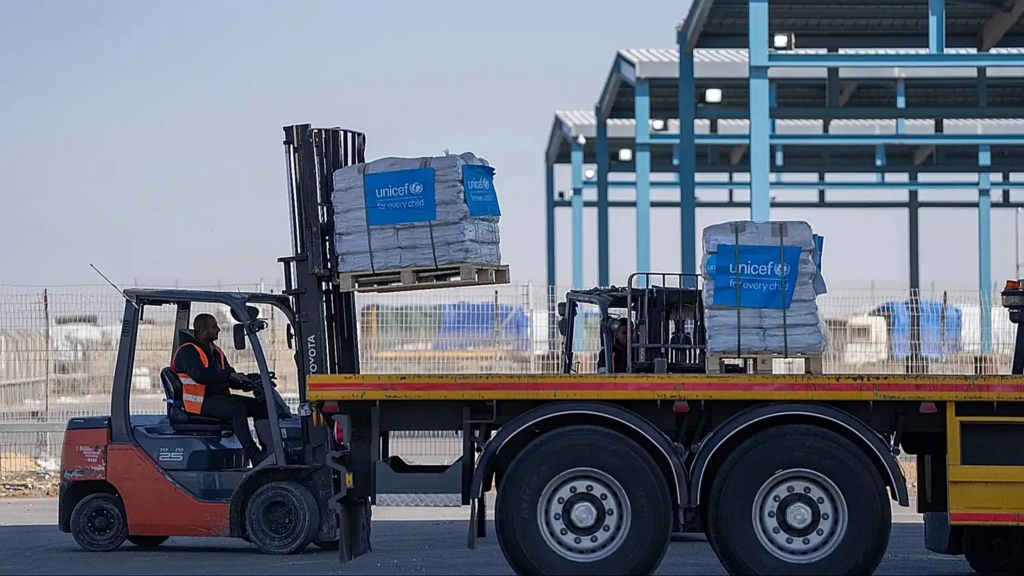
The International Rescue Committee warned that funding cuts have left the region “dangerously” exposed.
“Years of underinvestment and recent funding cuts have left many health facilities without adequate protective equipment, surveillance capacity, or frontline support needed to respond quickly and safely,” said Heather Reoch Kerr, IRC’s Country Director for DRC.
She added that certain activities that were previously supported by donor funding, including the provision of personal protective equipment (PPE) kits to health facilities, have been significantly reduced, and many facilities in affected areas are operating without basic protective supplies.
According to the United Nations, 239 million people need urgent humanitarian assistance in 2026, following a 2025 marked by severe cuts to humanitarian operations and a record number of deadly attacks against aid workers.
Also Read : Viral Georgian Khachapuri Recipe
