

In the media and law enforcement sectors of 2026, the protocols surrounding the psychological evaluation of individuals under criminal investigation are undergoing intense scrutiny. The sudden suicide of television and stage actor Frazer Hammill, hours after being questioned by police regarding sexual assault allegations, highlights critical vulnerabilities in custodial duty of care and the hidden psychological toll of public-facing professions. This intelligence brief deconstructs the operational timeline, regulatory procedures, and industry-wide implications of this tragic event.
Historical Context
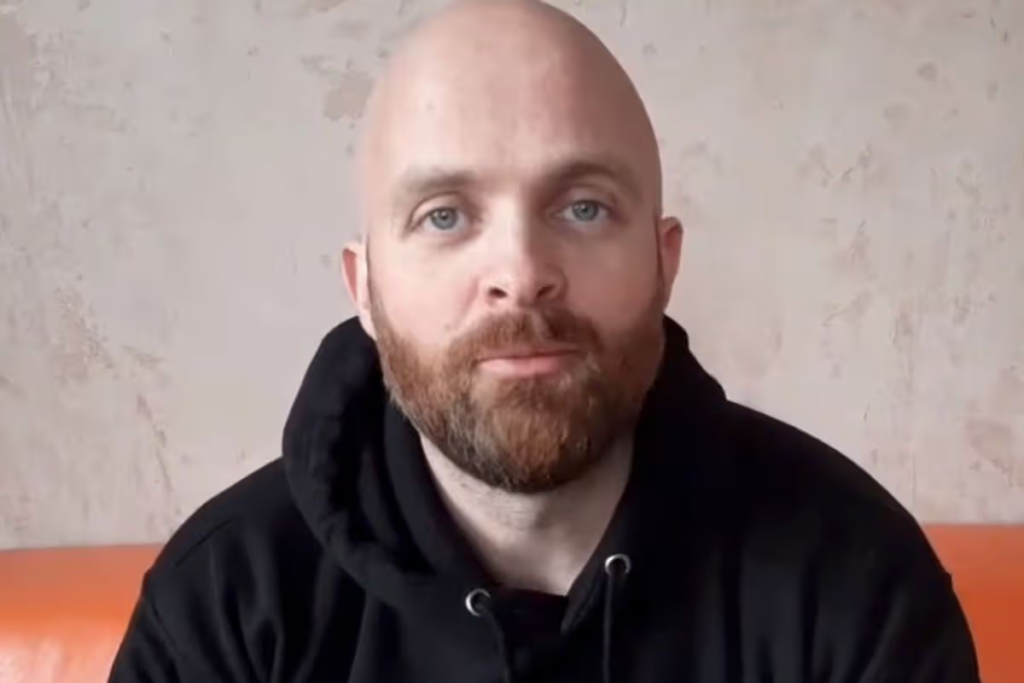
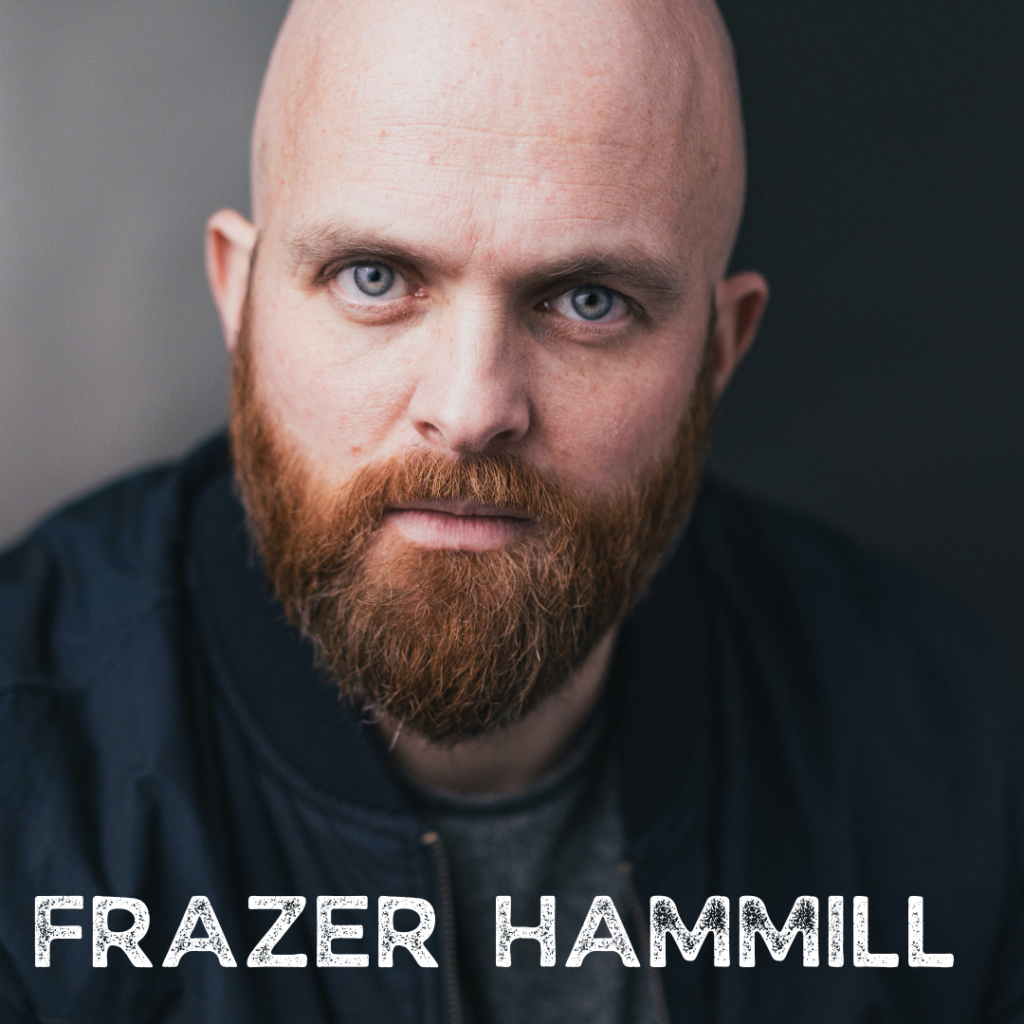
Frazer Hammill was a 41-year-old British actor with a diverse portfolio across television and theater. He was best recognized for his recurring appearances in major UK broadcasts, including a role as a prison guard in the long-running ITV soap opera Emmerdale and a detective constable in the critically acclaimed BBC crime drama Happy Valley. He also maintained a strong presence in regional theater, working extensively with the John Godber Theatre Company. Prior to the events of December 2025, Hammill was widely regarded by colleagues and family as a talented, kind-hearted professional with no publicly known history of mental health struggles.
Technical Mechanics
The operational mechanics of this incident progressed with extreme rapidity. On December 29, 2025, South Yorkshire Police arrested Hammill on behalf of Lancashire Police following a report of sexual assault by a woman in her 40s. Hammill was processed, interviewed, and released on bail the same day. Custody officers assessed his demeanor upon release as being in “good spirits,” registering no acute concerns for his safety. However, the following day, December 30, Hammill left his house keys and a warning note on a neighbor’s door instructing them to call the police. Paramedics arrived shortly after 2:00 PM but were unable to resuscitate him. The official cause of death was recorded as hanging.
Economic Impact
While the primary loss is deeply personal and human, the sudden death of an active working actor creates immediate operational disruptions within the entertainment economy. For entities like the John Godber Theatre Company and ongoing television productions, the sudden loss requires emergency recasting, schedule adjustments, and crisis management protocols. In the broader freelance economy of the performing arts, incidents of severe mental health crises highlight the hidden financial and operational costs resulting from a lack of institutionalized psychological support for independent contractors facing sudden public or legal crises.
Sociocultural Implications
Hammill’s death exposes a profound sociocultural paradox: the stark disconnect between outward demeanor and internal psychological distress. Despite leaving carefully planned notes for his family and friends, his sister, Caroline Hammill, testified that his internal struggles were completely concealed from his loved ones. The shock expressed by co-stars, such as Amy Walsh, underscores the communal trauma experienced by his peers. Socioculturally, this event amplifies the ongoing discourse regarding the immense psychological weight of criminal allegations—even in the pre-charge investigation phase—and the fatal consequences of silent mental health crises within high-pressure industries.
Regulatory Frameworks
The timeline of Hammill’s death triggered mandatory regulatory protocols. When a death occurs shortly after police contact, standard procedures require a thorough examination by a Coroner to establish intent and timeline. Because custody officers deemed Hammill fit for release, the regulatory focus naturally turns to the adequacy of psychological screening tools used in police stations. Upon confirmation of his passing, law enforcement formally closed the sexual assault investigation, adhering to legal guidelines regarding deceased suspects, and officially notified the complainant, effectively terminating the legal mechanics of the case.
Competitive Analysis
In the modern media landscape, the reporting of this incident demonstrates the friction between rapid news dissemination and ethical journalism. News outlets must navigate the “competition” for readership by balancing the public interest of reporting a high-profile sexual assault arrest against the extreme sensitivity required when covering a subsequent suicide. Responsible publications differentiate themselves by prioritizing the tragedy of the loss and the shock of the community, while strictly adhering to media ethics guidelines that mandate the inclusion of crisis support resources (such as the Samaritans) to prevent suicide contagion among vulnerable readers.
Predictive Modeling
Predictive modeling suggests this incident will act as a catalyst for forced evolution in both law enforcement and the entertainment industry. We anticipate that by the end of the decade, police custody protocols will integrate more advanced, potentially AI-assisted psychological screening tools designed to detect concealed distress before a suspect is released on bail. Simultaneously, production companies and acting unions will likely be forced to mandate immediate, specialized mental health crisis intervention for freelance performers who are suddenly subjected to severe legal, public, or media scrutiny.
Conclusion
The tragic death of Frazer Hammill illustrates the devastating intersection of legal investigation, public profile, and concealed mental illness. While the mechanical procedures of his arrest and release followed standard police protocols, the fatal outcome exposes the critical limitations of current psychological assessments in high-stress custodial environments. For both the entertainment industry and law enforcement regulatory bodies, this event serves as a stark reminder of the urgent need for robust, proactive mental health infrastructure, emphasizing that a cooperative outward demeanor is not a reliable indicator of internal psychological safety.
Also Read : Iran–Azerbaijan Conflict: The Nakhchivan Drone Crisis (March 2026)
