
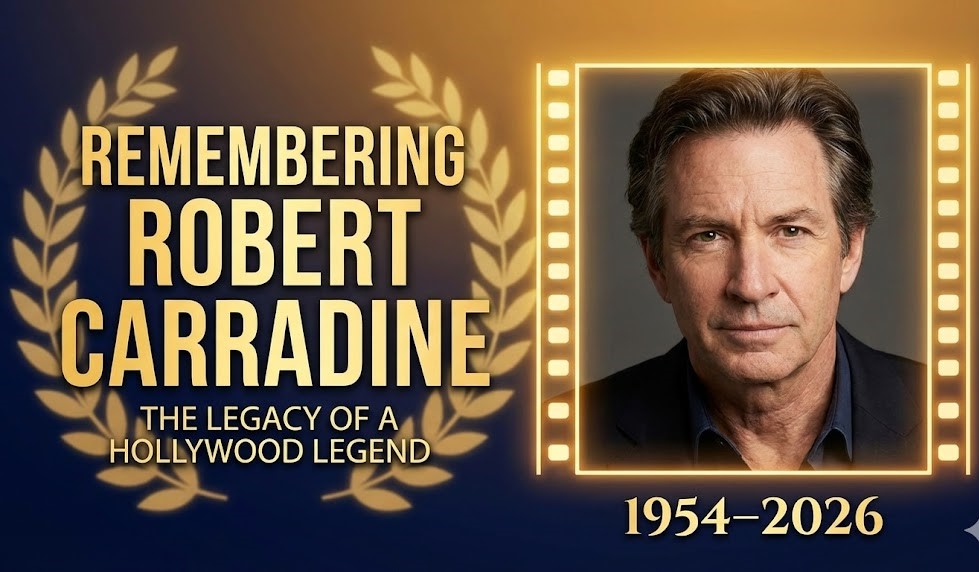

Let’s be completely candid: the loss of Robert Carradine is a profound one for Hollywood and for the multiple generations of fans who grew up watching him. Passing away at the age of 71, Carradine was a beloved member of a storied acting dynasty, a talented musician, a fierce race car driver, and to an entire generation, the ultimate on-screen father figure.
Beyond his remarkable career, his family has chosen to openly share the reality of his two-decade battle with bipolar disorder, hoping his story can help dismantle the stigma surrounding mental illness.
Here is a look back at the life, the passions, and the unforgettable legacy of Robert Carradine.

At a Glance: The Life of Robert Carradine
| The Era | Career Highlights & Milestones | Legacy |
| The 1970s | Made his debut alongside John Wayne in The Cowboys (1972); starred in Martin Scorsese’s Mean Streets. | Established himself as a serious dramatic actor within the Carradine dynasty. |
| The 1980s | Starred in The Long Riders and The Big Red One; became a pop-culture icon as Lewis Skolnick in Revenge of the Nerds. | Embedded himself in the consciousness of an entire generation of moviegoers. |
| The 1990s | Pursued professional race car driving at the Grand Prix level alongside Paul Newman. | Proved his versatile talents extended far beyond the Hollywood soundstage. |
| The 2000s | Won over a new generation of fans as Sam McGuire, the endearing father in Disney’s Lizzie McGuire. | Cemented his legacy as a beloved, warm, and highly relatable television dad. |
A Hollywood Dynasty and Iconic Roles
Born in 1954 to legendary actor John Carradine, Robert was the youngest son in a family of performers, including his brothers David and Keith. He didn’t just ride his family’s coattails; he forged his own distinct path.
He made his big-screen debut in 1972 opposite John Wayne, quickly transitioning into critically acclaimed cinema with roles in Martin Scorsese’s Mean Streets and Hal Ashby’s Oscar-winning Coming Home. In 1980, he achieved the rare feat of having two films premiere at the prestigious Cannes Film Festival: The Big Red One and Walter Hill’s The Long Riders, where he famously starred alongside his real-life brothers.
However, his most recognizable cinematic success came in 1984 as the lovable head nerd, Lewis Skolnick, in Revenge of the Nerds. Decades later, he captured the hearts of millennials as the quintessential TV dad on the hit Disney series Lizzie McGuire.
Beyond the Screen: Music and Racing
Despite having no formal training or ability to read music, Carradine was a profoundly gifted guitarist. He frequently played alongside his brothers, folk legend Ramblin’ Jack Elliott, and even formed a band called The Waybacks in the 1980s with actress Mare Winningham.
His other great passion was pure adrenaline. Carradine began racing go-karts at age 11, a hobby that blossomed into a legitimate, professional racing career. In the 1980s and 90s, he raced at the Grand Prix level and even drove for Team Lotus alongside fellow actor and racing enthusiast Paul Newman. Carradine candidly loved racing because, unlike the subjective world of acting, winning a race meant undeniable, objective proof of success.
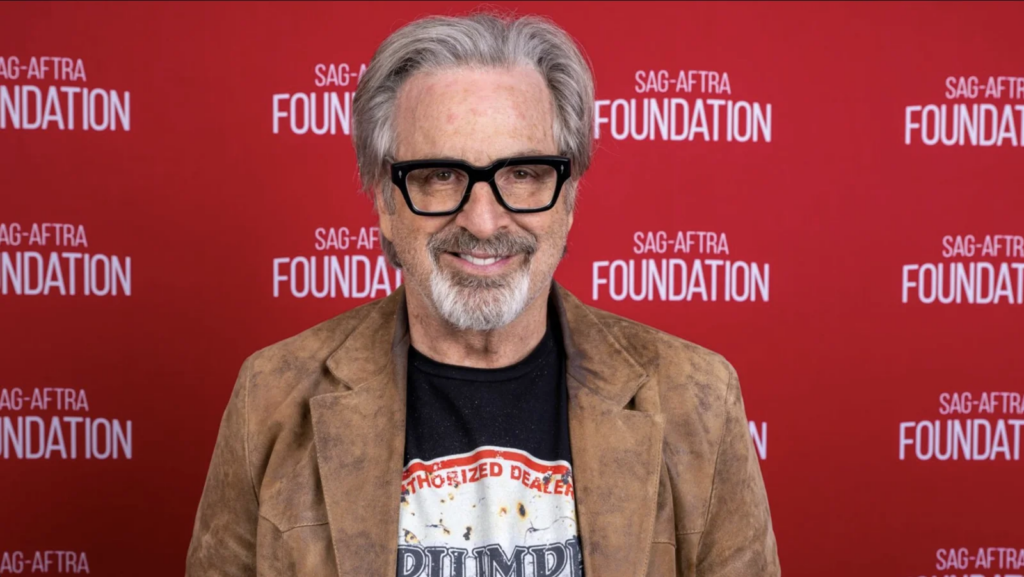
A Valiant Struggle: Shining a Light on Mental Health
Robert Carradine was the bedrock of his family—a loving father, a devoted grandfather, and “everyone’s favorite uncle.” He was known for his warmth, his total lack of grudges, and his deep compassion.
Tragically, he lost his life to suicide after a nearly 20-year battle with bipolar disorder. In the wake of this unfathomable loss, his brother Keith and the Carradine family have boldly chosen transparency over silence. They have asked the public to celebrate his beautiful soul while simultaneously using his passing to encourage open conversations about mental health.
If you or someone you love is struggling, the National Institute of Mental Health (NIMH) and the National Alliance on Mental Illness (NAMI) provide critical resources, education, and immediate support networks to help navigate the complexities of bipolar disorder and mental health crises.
Also Read : From “Keep Hope Alive” to “Yes We Can”: How Jesse Jackson Paved the Way for Obama
