
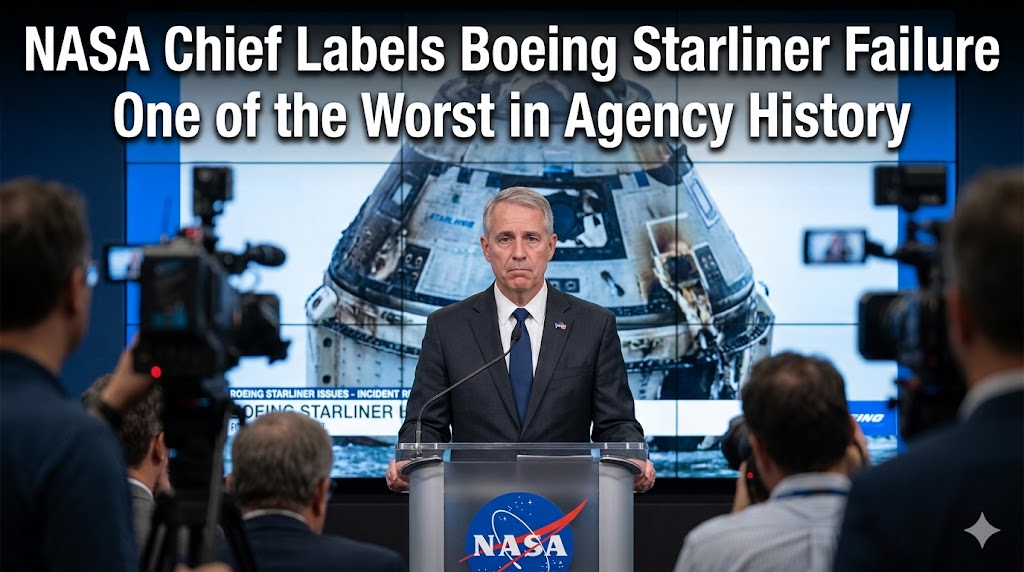

NASA has officially classified the botched 2024 Boeing Starliner mission as a “Type A” mishap in a newly published report. This classification is the space agency’s most severe category, placing the incident on par with historic tragedies like the 1986 Challenger and 2003 Columbia space shuttle disasters.
NASA’s new Administrator, Jared Isaacman, pulled no punches when addressing the failure. On Thursday, he blasted both Boeing and NASA for the poor decision-making, technical oversight, and leadership breakdowns that left two astronauts stranded in space for months.

What is a “Type A” Mishap?
A NASA “Type A” mishap is the highest level of mission failure classification. It is strictly reserved for incidents that result in fatalities, the total loss of a spacecraft, or direct damages exceeding $2 million.
While the Starliner mission did not result in any injuries, the spacecraft suffered a loss of maneuverability during its approaNASA Chief Labels Boeing Starliner Failure One of the Worst in Agency History
By Space & Tech Desk | February 21, 2026
NASA recently classified the botched 2024 Boeing Starliner mission as a “Type A” mishap. This classification represents the space agency’s most severe category. It places the incident alongside historic tragedies like the Challenger and Columbia disasters.
NASA Administrator Jared Isaacman pulled no punches. He blasted both Boeing and NASA on Thursday. He cited poor decision-making, technical oversight, and leadership breakdowns. These combined errors left two astronauts stranded in space for months.
What is a “Type A” Mishap?
A NASA “Type A” mishap represents the highest level of mission failure classification. NASA reserves this strict label for incidents involving fatalities, spacecraft destruction, or massive damages.
The Starliner mission caused no physical injuries. However, the spacecraft lost maneuverability near the International Space Station (ISS). Massive financial costs and severe crew risks made this top-tier classification absolutely necessary.
The agency released a detailed statement regarding the close call. It noted that this highest-level designation recognizes the clear potential for a significant disaster.
A Damning 312-Page Report
This formal designation follows the release of a 312-page internal report. An independent Program Investigation Team authored the extensive document. The report outlined a cascading series of failures. Starliner originally had a routine eight-to-14-day test flight schedule.
Investigators flagged severe hardware failures. These included thruster anomalies and dangerous helium leaks. However, Isaacman emphasized that technical flaws only formed part of the problem.
He addressed the situation in a recent agency-wide letter. Isaacman wrote that the most troubling failure did not involve hardware. Instead, he pointed directly to an overly risk-tolerant leadership culture. He also criticized defensive meetings and unprofessional workplace conduct.
The Astronauts’ Ordeal
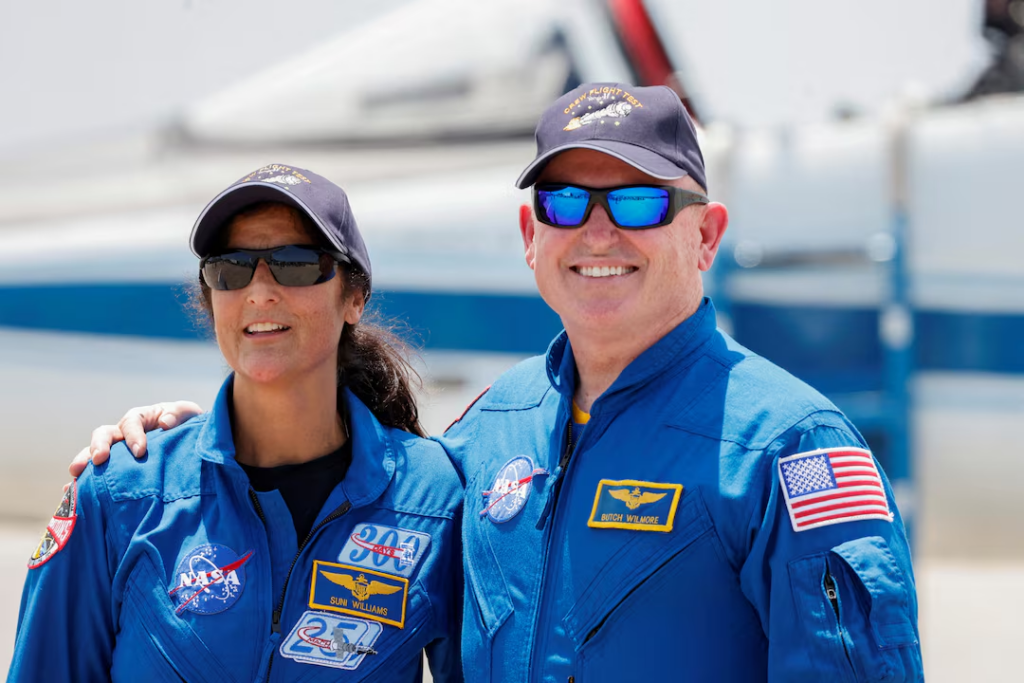
These systemic failures turned a short trip into a grueling 286-day ordeal. The situation trapped veteran test pilots Suni Williams and Butch Wilmore in space.
NASA considered the Starliner capsule too dangerous for a crewed return flight. The agency sent the empty spacecraft back to Earth in September 2024.
Williams and Wilmore waited aboard the ISS for several extra months. They finally caught a ride home on a SpaceX Crew-9 flight in March 2025. Both astronauts have officially retired from the space agency since their return. This decision closed out their historic, decades-long careers in human spaceflight.
Accountability and the Path Forward
Jared Isaacman is a billionaire entrepreneur and experienced commercial astronaut. He took over as NASA Administrator in late 2025. He now demands a massive cultural shift within the organization.
“While Boeing built Starliner, NASA accepted it and launched two astronauts to space,” Isaacman stated.
He stressed the importance of total transparency regarding both successes and shortcomings. “We have to own our mistakes and ensure they never happen again,” he added.
NASA confirmed it will completely ground the Starliner spacecraft for now. Boeing must fix all technical issues before any future crewed flights. They must also implement the rigorous safety recommendations from the investigation.
Also Read : French Football Legend Rolland Courbis Dies at 72
