

The Timeline of a Retail Downfall
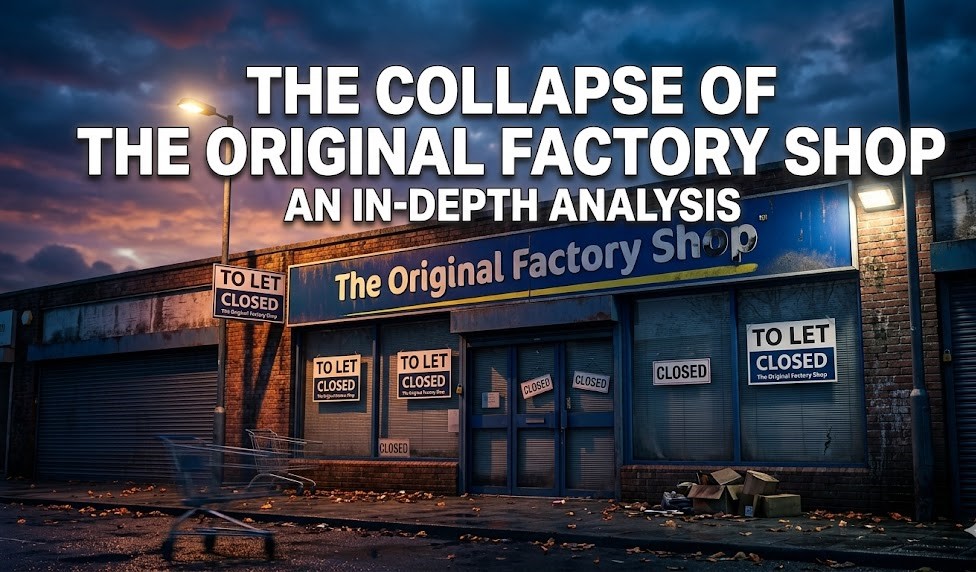
The Factory Shop Limited, operating as TOFS, was established in 1969 as a prominent discount retailer specializing in branded clothing, homeware, beauty items, and seasonal goods. Its complete disappearance from the High street was not sudden, but rather the result of years of fluctuating financial stability:
- Early Warning Signs (2018): TOFS was forced to close 32 stores following a sharp drop in profits and the withdrawal of its credit insurance, signaling early vulnerabilities in its operational model.
- The Post-COVID Boom (2021-2022): The retailer experienced a brief renaissance. As pandemic restrictions lifted, the group’s profits temporarily soared as consumers flocked back to physical discount retail.
- The Buyout and CVA (2025): Private equity firm Modella Capital purchased the chain from Duke Street Capital. Shortly after, in April 2025, TOFS entered a Company Voluntary Arrangement (CVA), resulting in immediate site closures to manage mounting corporate debt.
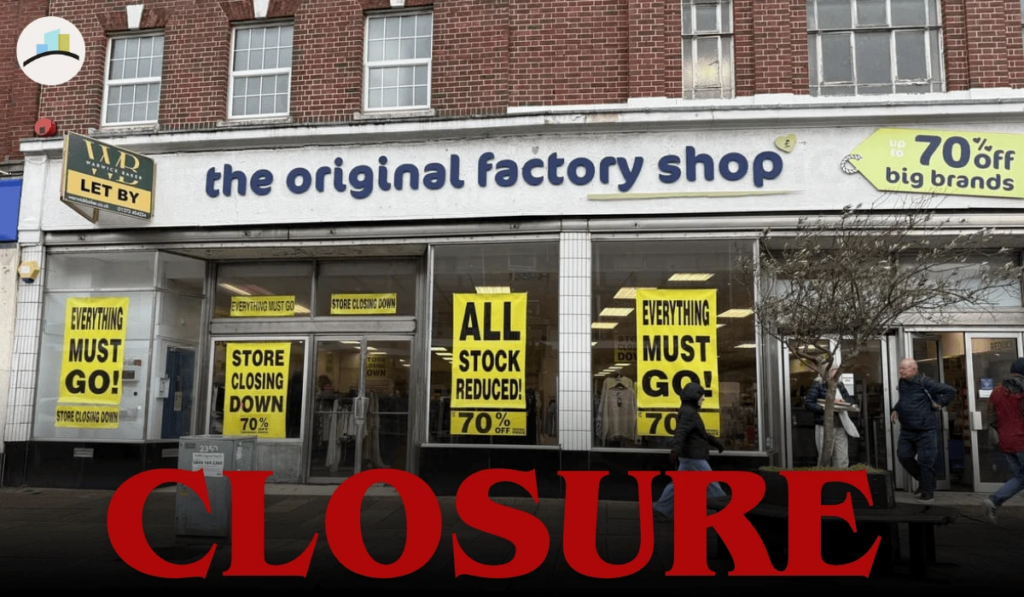
- Administration (January 2026): Unable to stabilize, the company formally entered Administration (law). The online storefront was shut down immediately by appointed administrators, though physical stores remained temporarily open to liquidate stock.
- Total Closure (April 4, 2026): Interpath Advisory (the joint administrators) confirmed that without any viable buyers to rescue the business, all remaining 137 UK stores and the head office were officially and permanently closed.
Core Catalysts for the 2026 Collapse
While the general narrative blames a tough economy, financial data reveals a “perfect storm” of specific Macroeconomics and severe operational failures that ultimately killed TOFS:
- Severe Supply Chain Failures: According to insolvency reports from Interpath, TOFS was crippled by catastrophic issues with a third-party warehouse and logistics operator. This disruption choked inventory and decimated sales right when the company needed revenue the most.
- Adverse Fiscal Policies: Parent company Modella Capital heavily blamed government fiscal policies as a breaking point. Consecutive hikes in the National Living Wage and increased employer National Insurance contributions disproportionately eroded the already tight margins of discount retailers.
- Fragile Consumer Confidence: Despite inflation technically stabilizing from its previous peaks, the compounding effects of the cost-of-living crisis have forced UK shoppers to drastically pull back on discretionary spending, heavily impacting the apparel and homeware sectors.
The Human and Structural Cost
The closure of TOFS represents a massive blow to regional towns, which often rely on “anchor” discount stores to drive local footfall.
- Mass Job Losses: The collapse resulted in the direct redundancy of 1,180 employees across the retail footprint and corporate offices.
- Winding Down: A small, specialized skeletal crew has been retained temporarily by the administrators solely to wind down corporate affairs and finalize the liquidation process.
- Employee Support: Interpath has deployed a dedicated support team to assist the impacted workforce in filing mandatory claims through the government’s Redundancy Payments Service.
The Contagion Effect: A Brutal Year for UK Retail
TOFS is far from the only victim. The first quarter of 2026 has seen an alarming 41% surge in retail insolvencies, reflecting a wider crisis across the United Kingdom:
- High-Profile Casualties: Major heritage brands have collapsed or drastically reduced their footprints this year. Luxury shoemaker Russell & Bromley, LK Bennett (which recently shut down its e-commerce site entirely), Moores, Quiz, Denby, and National Car Parks (NCP) have all fallen into administration.
- The Modella Capital Factor: TOFS’s parent company, Modella Capital, also controversially placed Claire’s Accessories into administration earlier this year, highlighting severe systemic struggles within their specific private equity portfolio.
- Hospitality and Lifestyle Contagion: The crisis bleeds beyond clothing. Lifestyle brand Gandys was forced into administration following a sudden withdrawal of funding, while major hospitality chains like Revolution and BrewDog have shuttered 21 and 38 pub locations, respectively. Major retail giants like River Island, Primark, and Poundland have also executed strategic store closures to mitigate financial bleeding.
- A Rare Rescue: The landscape is not entirely bleak. UK cosmetics firm Beauty Bay filed for administration in March 2026 but was rapidly acquired by the French-owned AA Investments Group for an undisclosed amount, saving the brand’s stores and protecting hundreds of jobs.
Also Read : End of an Era: UK Car Park Giant NCP Collapses Into Administration